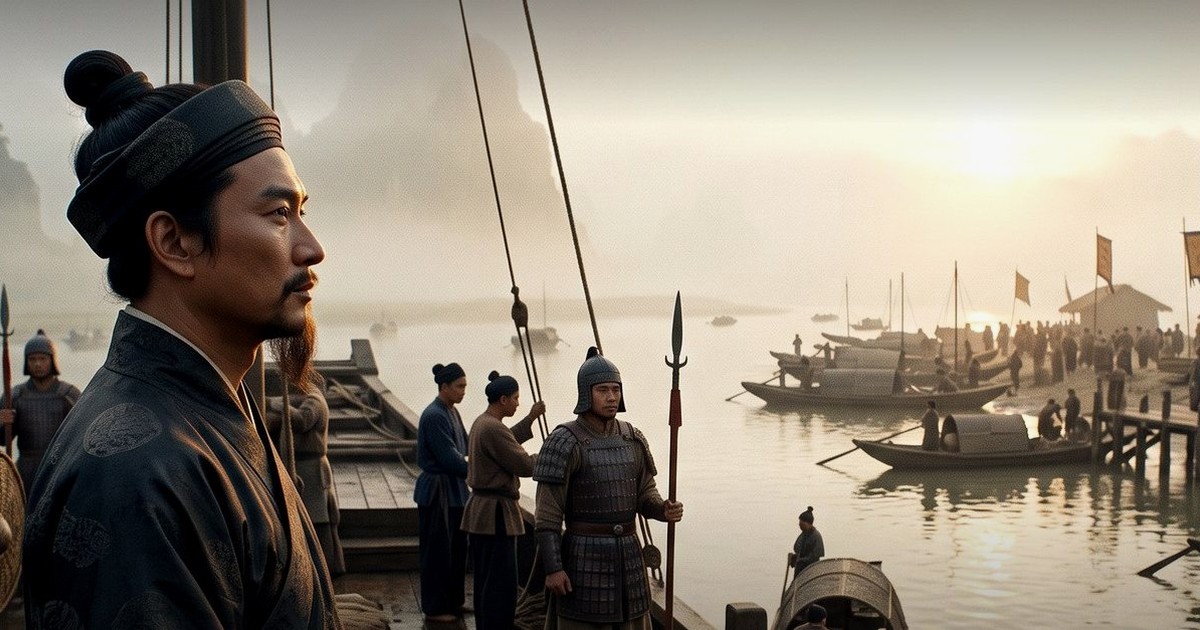
Lý Công Uẩn: the monk-raised emperor
Raised at Cổ Pháp and taught by the monk Vạn Hạnh: a palace guard who took the throne two days after a king's death — and moved the capital.
Characters
The monk who taught Lý Công Uẩn and interpreted the omen the series withholds: what the chronicle records, and what later readers made of it.
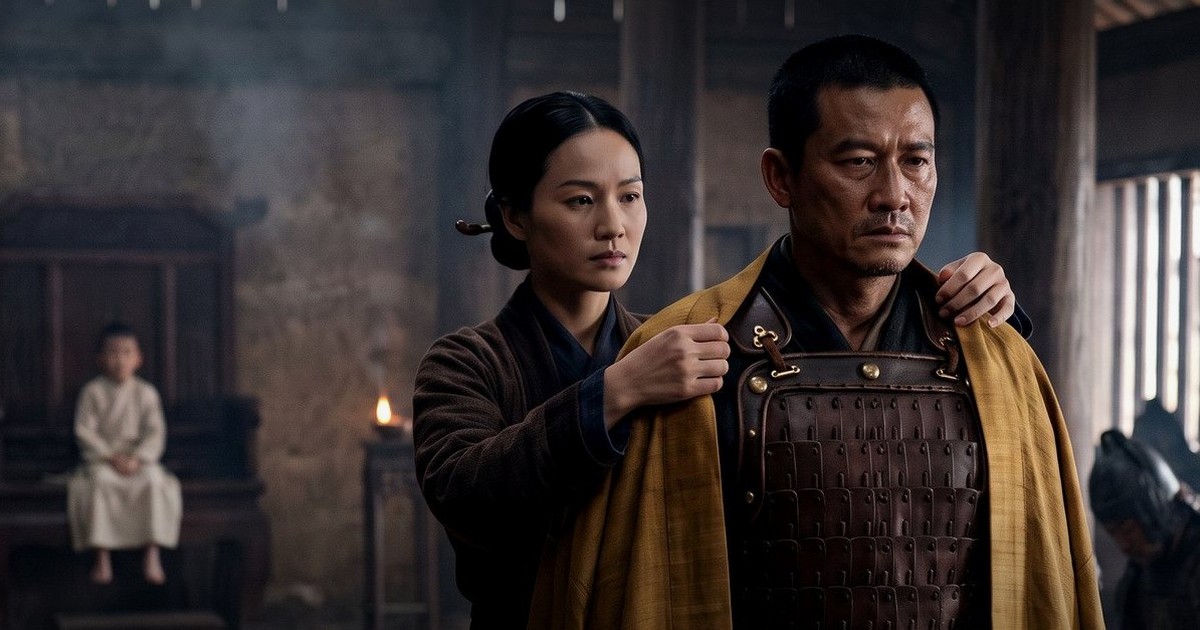
Vạn Hạnh is the character the series has been most careful not to put words into. The cast list gives him one role, “the seer who planted the prophecy”, in Seasons II – III. The chronicle gives something more specific and more awkward for a dramatist: an actual omen verse, an interpretation of it, and a teacher. What the record does not give is the scene of planting.
The material the site publishes puts Vạn Hạnh in one place: Lý Công Uẩn was “raised from childhood by the monk Vạn Hạnh”, and the cast note has Uẩn, Vạn Hạnh and Dương Vân Nga bind three dynasties into a single story. The upcoming-characters list gives him the role of the seer, across Seasons II and III, and no biography. The site’s one sentence is a compression: later accounts distinguish the two men — Uẩn was raised at Cổ Pháp by Lý Khánh Văn and sent at six or seven to study with Vạn Hạnh. A guardian and a teacher, not the same person.
The record itself is fuller than the site’s material. It preserves the omen: an eight-line verse said to have been found in the markings on a kapok tree struck by lightning at Diên Uẩn in Cổ Pháp. Vạn Hạnh privately interprets the verse, reading its characters as a prediction that the Lê will fall and the Lý rise, and then speaks to Lý Công Uẩn: the Lý will prosper, and he should take the throne. The chronicle also records that Vạn Hạnh was over seventy in 1009 and remembers him as an adviser to Lê Đại Hành. He is not a figure the drama invented.
The series’ word is “planted”, and that is a reading of the record, not a quotation from it. The oldest form of the story is an omen found on a tree and interpreted by a monk; the political form — a monk who arranged the omen himself — is later. Ngô Thì Sĩ, writing in the Tiền biên printed in 1800 and in the Việt sử tiêu án, held that Vạn Hạnh fabricated the omen to shape public opinion. That is an eighteenth-century judgement, with no contemporary evidence, and it belongs to the story’s later use rather than to the tenth century.
A further gap no reading closes: whether the verse was composed before the accession it predicts or written back into the record afterwards. The chronicle frames it as an omen before the fact; the question is later readers’.
Read as a document, the omen does what the series’ logline says legitimate power needs — “the sword, the bloodline, or the pen of whoever writes the history”. A verse on a tree, a monk’s reading of it, a student told the throne is his: that is the pen moving early. Whether it moved on Vạn Hạnh’s initiative, on someone else’s, or only in retrospect is precisely what the record does not say.
His role is listed for Seasons II and III. Season II is 979–981: the feast night, the six-year-old emperor, the robe, the Song army at the border. Season III is 1005–1010: the struggle over the throne, the Tripitaka embassy, the bedchamber, the edict. If the series keeps him across both, he is present for the regency and for the accession — the two moments at which a monk could matter most and the record says least about what he did.
The verse is the thing to watch. The site never prints it: the series may withhold a recorded text. What it may not do is replace it with an invented one. Four categories stay separate, and the drama’s framing is strongest when it keeps them so: the omen on the tree (record), Vạn Hạnh’s interpretation and his advice to Lý Công Uẩn (record), Ngô Thì Sĩ’s later view that he fabricated it (interpretation), and the series’ staging and delivery (fiction).
Everything in this section is hư cấu, and the studio’s disclaimer is explicit that where the record is silent the drama imagines.
Most historical dramas would show the monk foretelling the future. The series’ choice so far is to keep the role and withhold the verse — and the record is better served by that than by an invented one. An omen found on a tree, read by a monk, and later called a fabrication: all three registers are present in the material, and the drama’s restraint is to keep them in view rather than put the words in his mouth.
Raised at Cổ Pháp and taught by the monk Vạn Hạnh: a palace guard who took the throne two days after a king's death — and moved the capital.
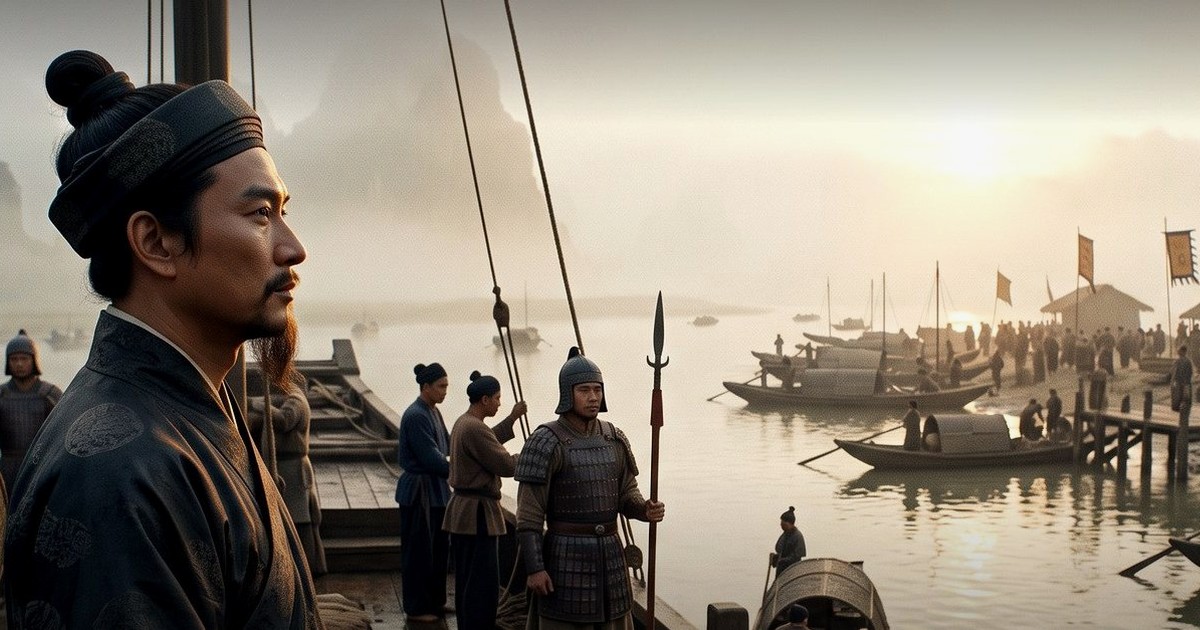
A monk taught Lý Công Uẩn and interpreted an omen the series withholds: where the record stops, and what later readers added.
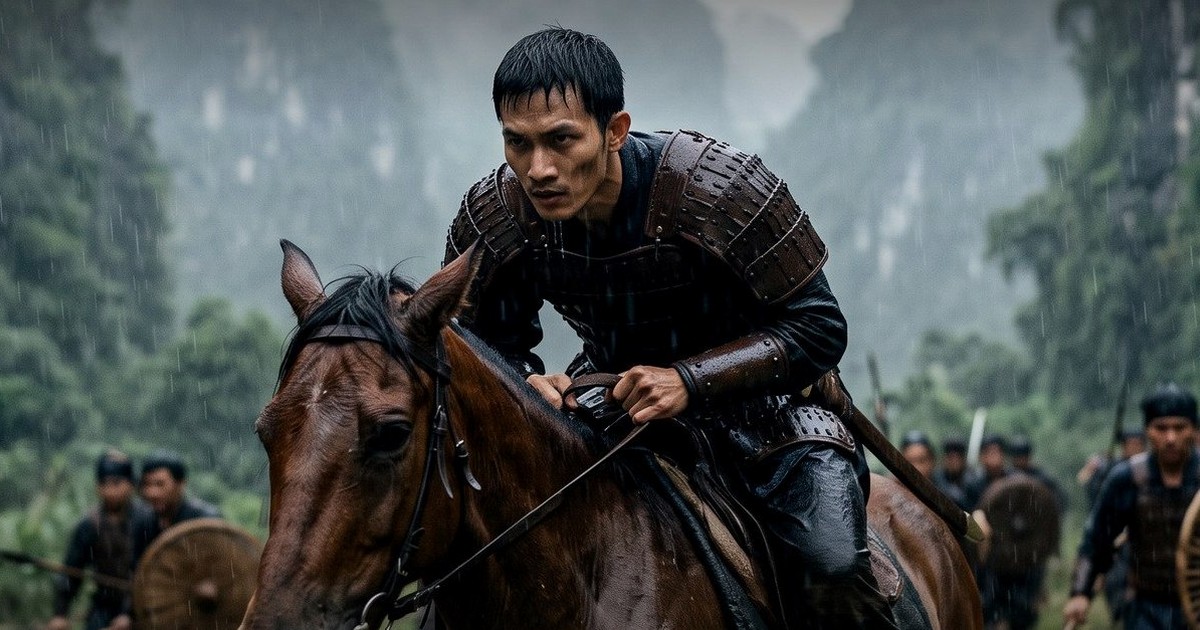
The last Lê king, an epithet that may be slander, and a death the record leaves unexplained — the series stages four readings of it.