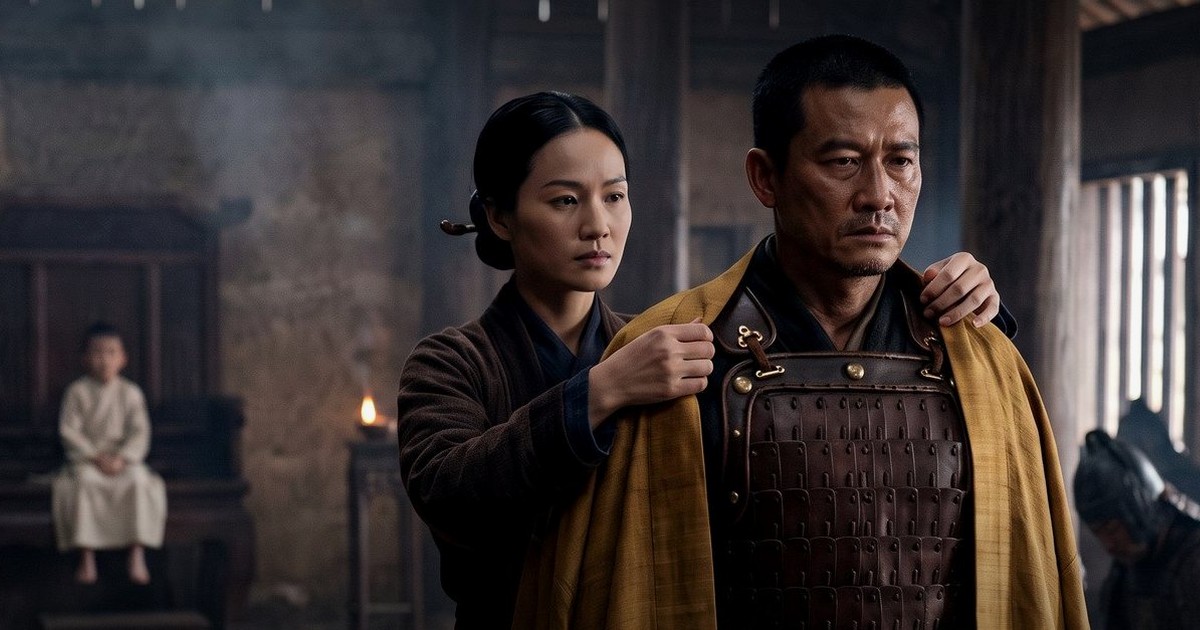
Đinh Bộ Lĩnh: the man who ended the Twelve Warlords
He ended the Twelve Warlords and gave the realm its name. Then a night of feasting in 979 ended the reign — and the chronicle names a killer.
STORIES
Long reads on the people, the chronicle, and what the series invents.
He ended the Twelve Warlords and gave the realm its name. Then a night of feasting in 979 ended the reign — and the chronicle names a killer.
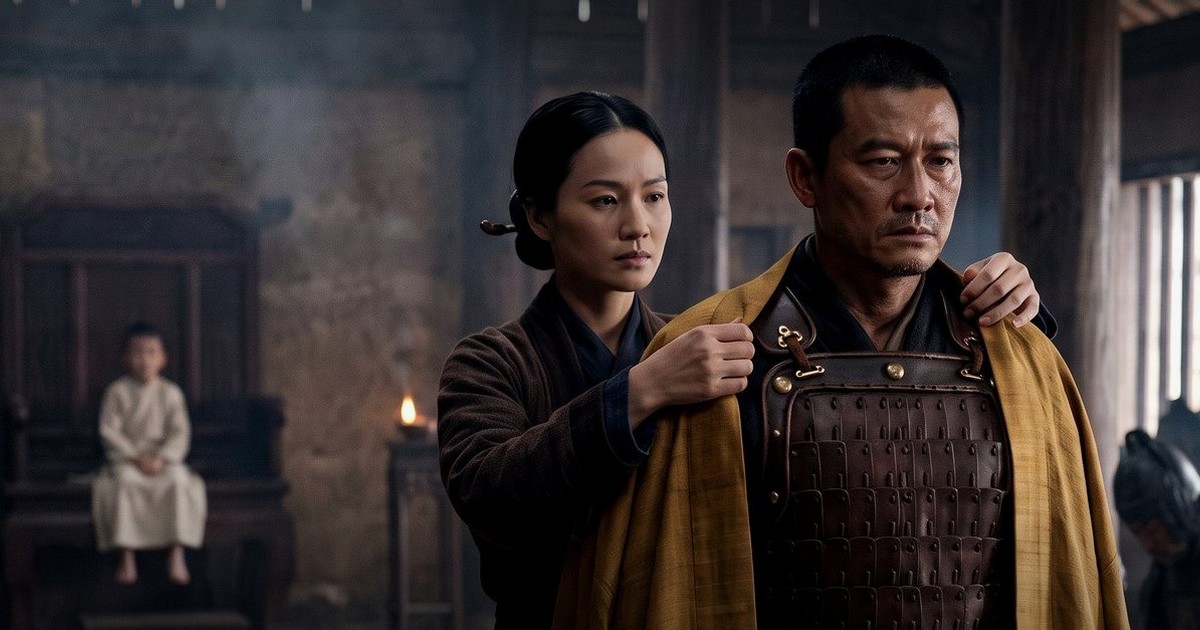
The dowager empress who ordered the imperial robe placed on a general's shoulders in 980: a lapse of virtue to some readers, vision to others.
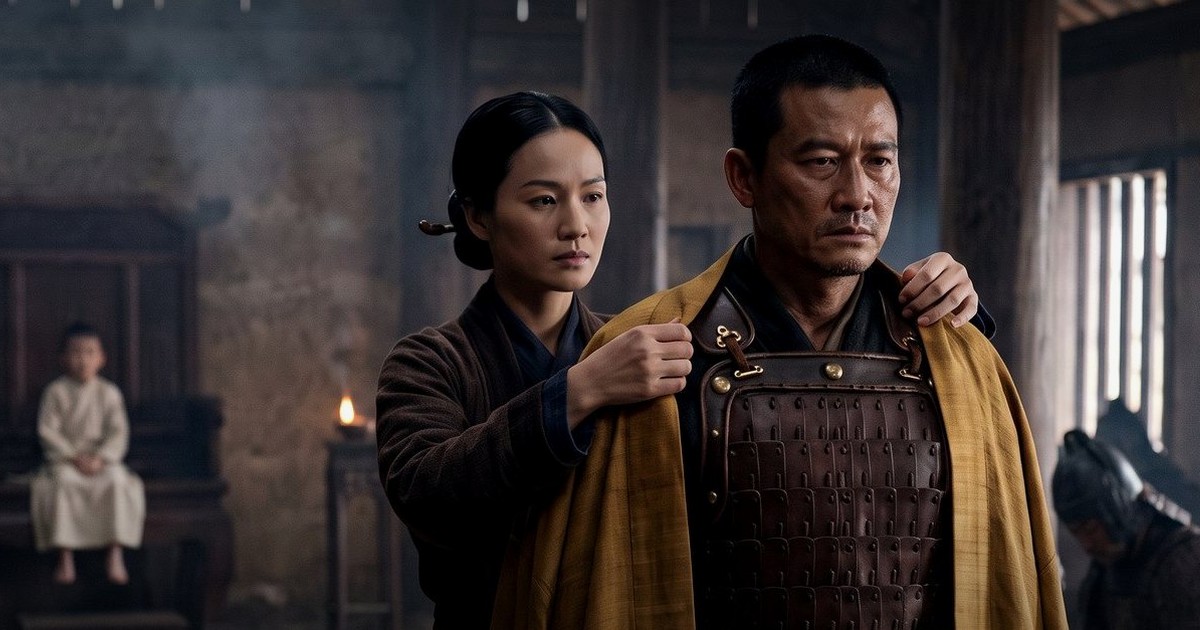
The general who took the robe in 980 and shattered the Song army in 981: Lê Hoàn, the series’ Lê Đại Hành, between the chronicle and the screen.
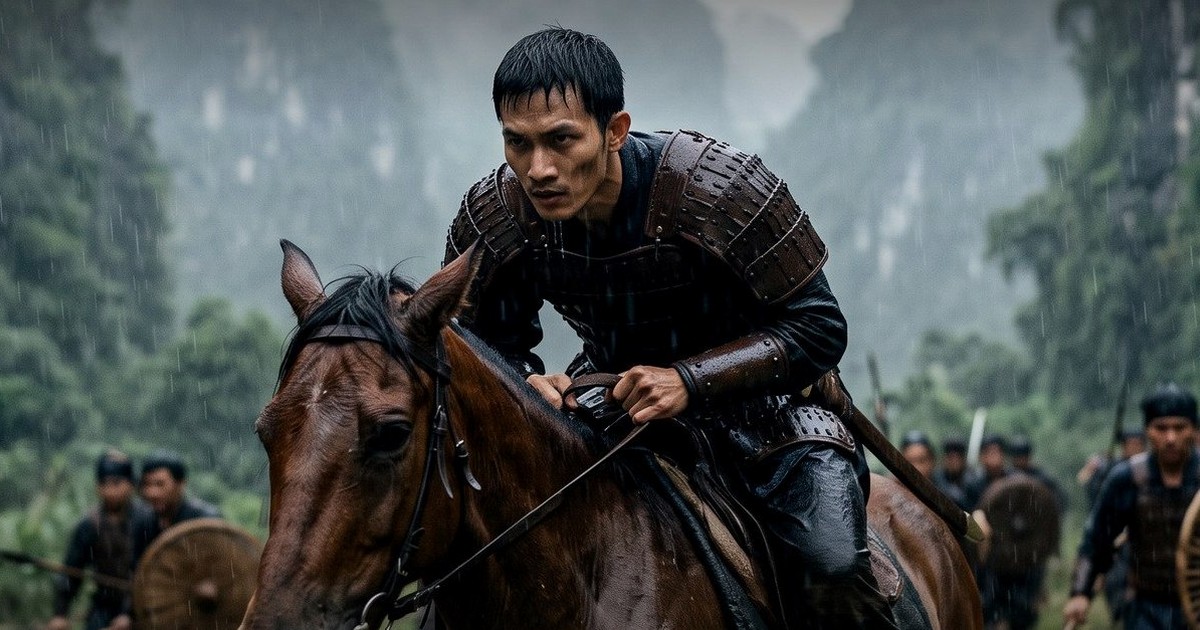
The last Lê king, an epithet that may be slander, and a death the record leaves unexplained — the series stages four readings of it.
Raised at Cổ Pháp and taught by the monk Vạn Hạnh: a palace guard who took the throne two days after a king's death — and moved the capital.
The monk who taught Lý Công Uẩn and interpreted the omen the series withholds: what the chronicle records, and what later readers made of it.
Son of Đinh Bộ Lĩnh, made crown prince in 978 and killed by his half-brother in spring 979: what the record says, and what the pillars only suggest.
Eldest son of Đinh Bộ Lĩnh, killer of his half-brother, envoy to the Song court, and one of the two men murdered in 979: what the record says.
The six-year-old emperor of 979, the child behind the robe, and the man killed by a stray arrow in 1001: what the record says and what later histories add.
Both early chronicles name Đỗ Thích as the killer of Đinh Tiên Hoàng and Đinh Liễn. Modern historians question it; the record keeps the name.
The Song commander opposite Lê Hoàn in 981: what the chronicle records, what Song sources add, and why the battle details are later and competing.
The empress the chronicle does not name: Lập Giáo Hoàng hậu, wife of Lý Công Uẩn and mother of Lý Thái Tông — record, tradition and what remains open.
A founding general of the Đinh who held Đại La, and whose life ends in 979 in one tradition and 1013 in another: what the record has and what thần phả adds.
Later tradition says Lý Công Uẩn was given at three to a monk called Lý Khánh Văn. The early chronicles do not name him, and his identity is contested.
A Twelve Warlords leader who submitted to Đinh Bộ Lĩnh, married a Đinh princess, then returned with a Champa fleet and drowned in a storm.
Eldest son of Ngô Quyền, co-king as Thiên Sách vương from 951 to 954, and the father of a future warlord: what the record gives and later tradition adds.
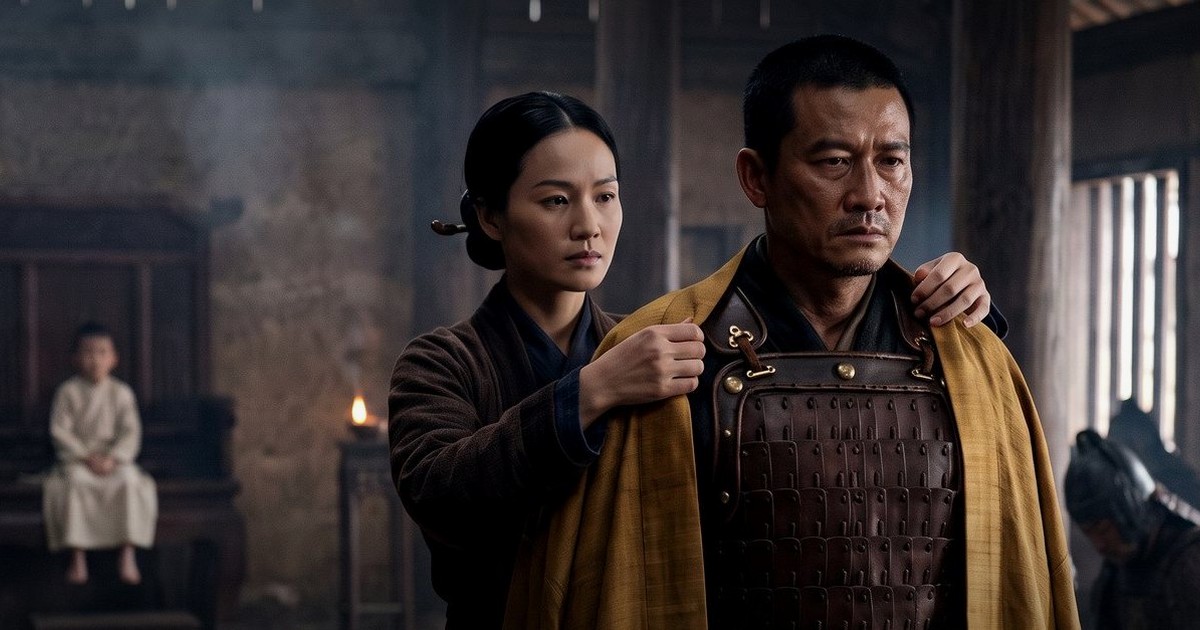
King of the Ngô from 950 to 965, co-ruler with his elder brother from 951 to 954: what the chronicle records, and why his death opens the road to 968.
A Đinh founding general and Định Quốc Công in 968 who caught the king’s killer and died resisting Lê Hoàn: the record and the later labels.
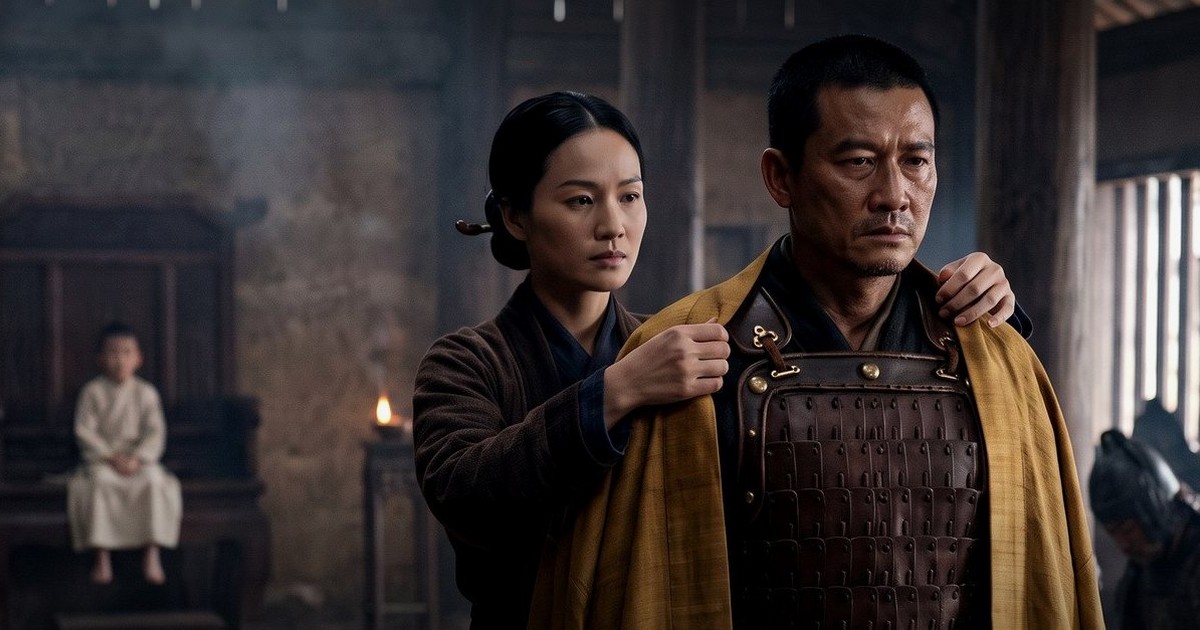
The general under the Đinh and Lê who rallied the troops to acclaim Lê Hoàn at Đào Lâm in 980 — and why “betrayal” is a later verdict, not the record.