“The king died in his bedchamber”: how to read one line
The chronicle records Lê Long Đĩnh’s death in the bedchamber and explains the Ngọa Triều epithet. Folk history, Ngô Thì Sĩ and the field add readings.
Characters
The last Lê king, an epithet that may be slander, and a death the record leaves unexplained — the series stages four readings of it.
Contains spoilers for the series.
The most quoted sentence about Lê Long Đĩnh is six words long. The most quoted word about him is not his name: it is Ngọa Triều — and the same chronicle that supplies both also records him riding to war. Season III is built on the distance between those two facts about the same man.
In 1005 his father, Lê Đại Hành, dies. His sons fight over the throne for eight months; the survivor, Lê Long Việt, reigns three days before Long Đĩnh kills him and takes the throne. The series’ Season III summary condenses the reign that follows: a king who kills his brother to take the throne, leads armies into the field for four years, then dies of unknown causes — and two days later the dynasty has changed hands. In 1007 an envoy is sent to the Song court to request the Buddhist Tripitaka, and the series places the episode in his reign. That it was the first such request in Vietnamese history is a later claim, not part of the 1007 entry.
In the tenth month of the year Kỷ Dậu (1009) he dies, aged twenty-four by the chronicle’s count; a modern reckoning from a later birth date gives twenty-three. The main text records the death in the bedchamber and explains the epithet in the same passage: he was called Ngọa Triều because he had hemorrhoids and held court lying down. A note the chronicle marks off as “wild history” adds that wine and women brought the illness on. Beyond that the text gives no cause.
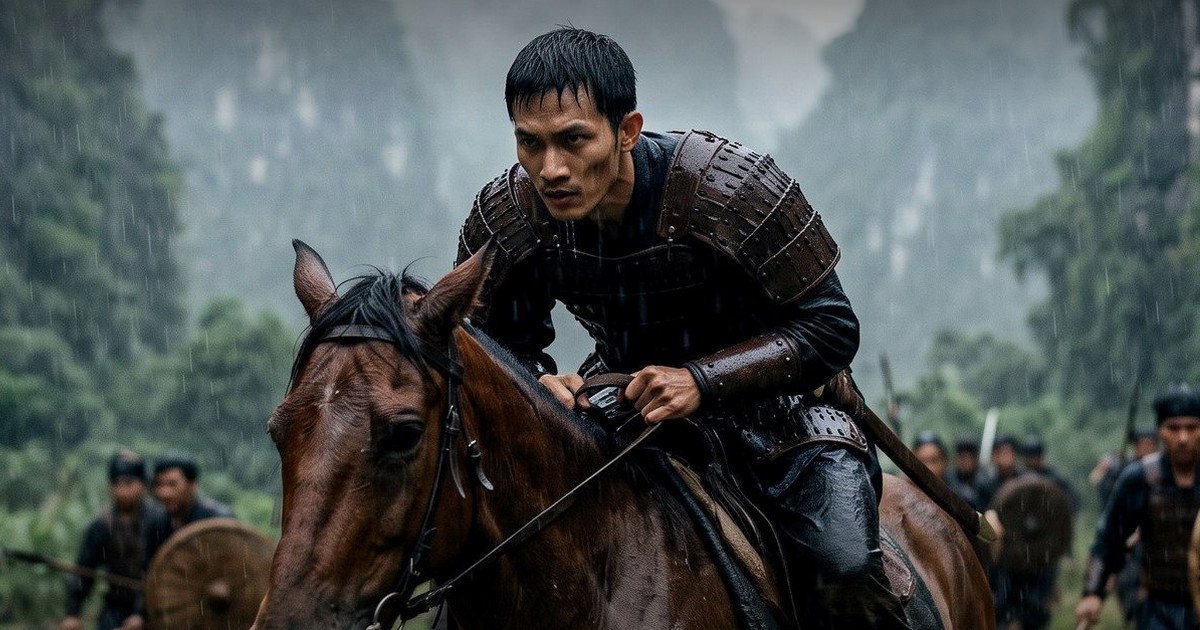
The same book records five campaigns in four years: Phù Lan, Phong Châu and Cử Long in 1005; Đô Lương, Vị Long, Hoan Châu and Thiên Liễu in 1008; Hoan Đường and Thạch Hà in July 1009 — the last about three months before he died. He is the last Lê king.
The epithet is where the readings begin, and the site labels them one by one. The official chronicle gives the death and the illness behind the epithet. The wild-history note — marked off by the chronicle itself — adds wine and women. Ngô Thì Sĩ, in the Tiền biên printed in 1800, makes two moves: he calls the epithet vulgar and baseless, and he records an older question, whether the Lý family had the king poisoned while he was ill and concealed it. The site labels that second move as a hypothesis written nearly eight centuries later, with no contemporary evidence, belonging to the later account and not to the Toàn thư. The campaign record is the cross-check: the same chronicle that explains the epithet by lying down also has him in the field five times in four years. Even the word is disputed: whether “Ngọa Triều” was a formal posthumous title or a label is not settled.
The series’ question — “A tyrant — or a victim of the victor’s pen?” — fits evidence like this. A king who kills his brother is not a sympathetic figure; a king whose enemies kept the only surviving account is not a simple one.
His cast tag is Season III, and Season III runs 1005–1010 with eight episodes: “Seven Months Without a King”, “Three Days”, “The Rider”, “The Tripitaka”, “Two Provinces”, “The Sea Storm”, “The Bedchamber”, and “The Edict on the Transfer of the Capital”. The death is the hinge. The seventh episode, “The Bedchamber”, stages the four readings side by side; the series’ footnote says the possibilities are staged together and none is confirmed. Season III then ends on a document, two days and one dynasty later.
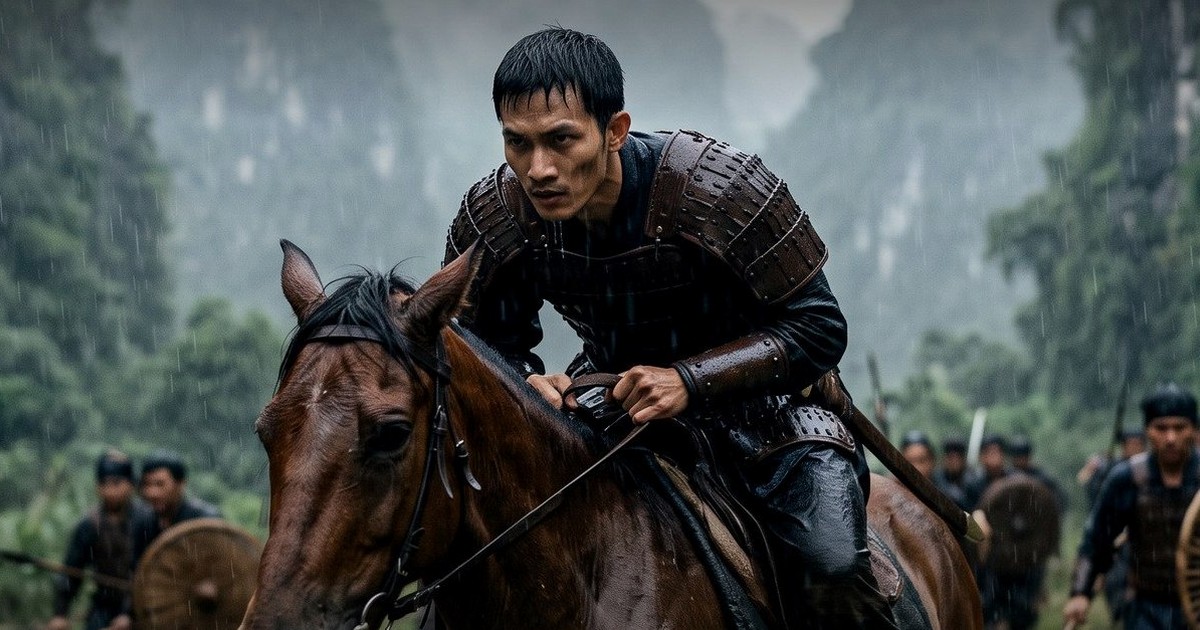
The still on this page is the series’ image of the years before the bedchamber: an armoured rider on a rain-soaked horse, soldiers with rattan shields behind him. It is a picture of the campaign record, not of the epithet.
Everything here is hư cấu, and the studio’s disclaimer lists it: dialogue, private thoughts, relationships, motives, composite or minor characters, places, timelines and the order of events.
Lê Long Đĩnh is the character the record writes last and writes worst: a fratricide, a drunk, a king who held court lying down. He is also the king whose reign saw the request for the Tripitaka and a campaign record that will not fit the epithet. The series does not need to rescue him. It needs only to show how the two pictures were made — one by a man in the field, one by a pen after the fact — and to let the viewer see both. That is what Season III’s question mark is for.
The chronicle records Lê Long Đĩnh’s death in the bedchamber and explains the Ngọa Triều epithet. Folk history, Ngô Thì Sĩ and the field add readings.
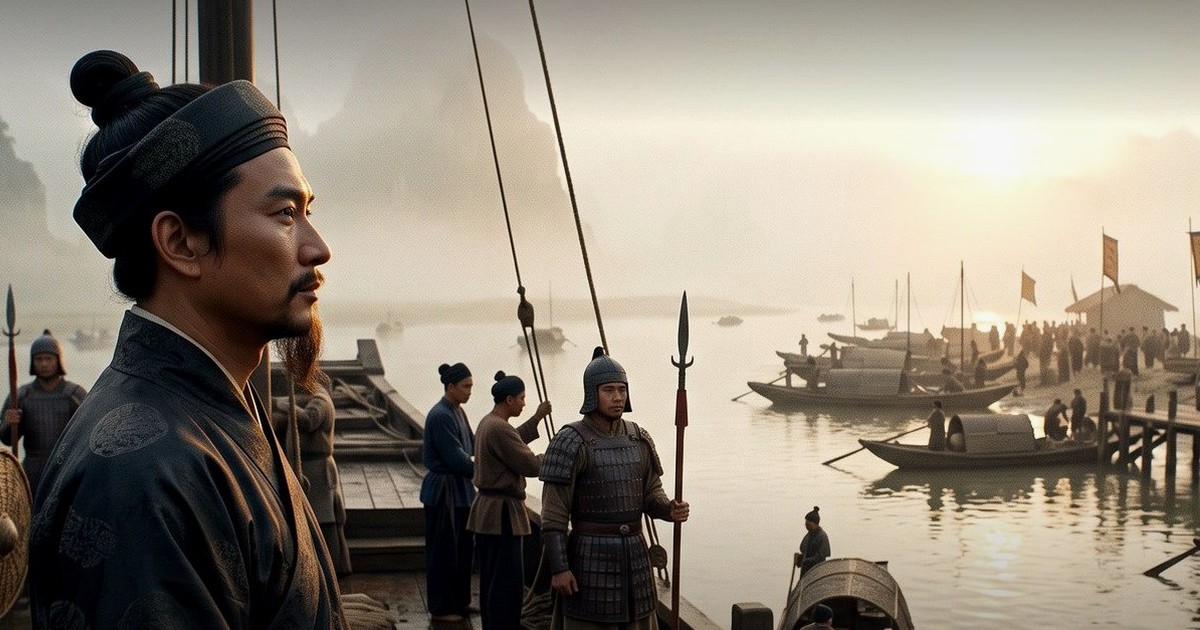
A palace guard, a king who died in his bedchamber, and two days: Lê Long Đĩnh and Lý Công Uẩn, and what the record never explains.
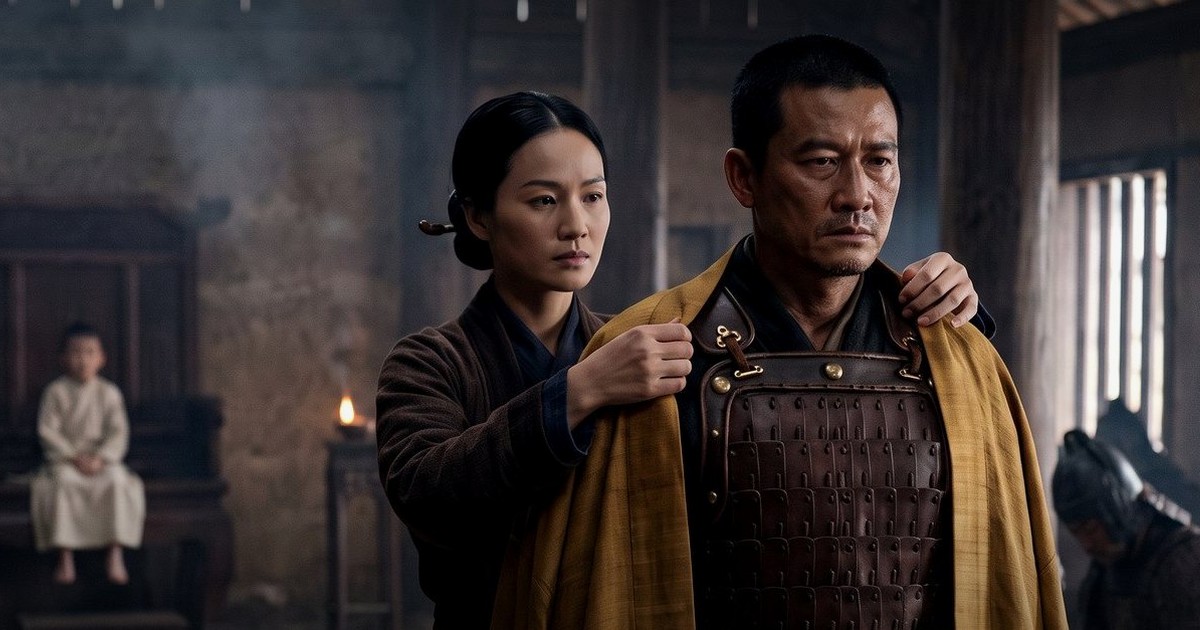
The general who took the robe in 980 and shattered the Song army in 981: Lê Hoàn, the series’ Lê Đại Hành, between the chronicle and the screen.