“The king died in his bedchamber”: how to read one line
The chronicle records Lê Long Đĩnh’s death in the bedchamber and explains the Ngọa Triều epithet. Folk history, Ngô Thì Sĩ and the field add readings.
STORIES
Long reads on the people, the chronicle, and what the series invents.
The chronicle records Lê Long Đĩnh’s death in the bedchamber and explains the Ngọa Triều epithet. Folk history, Ngô Thì Sĩ and the field add readings.
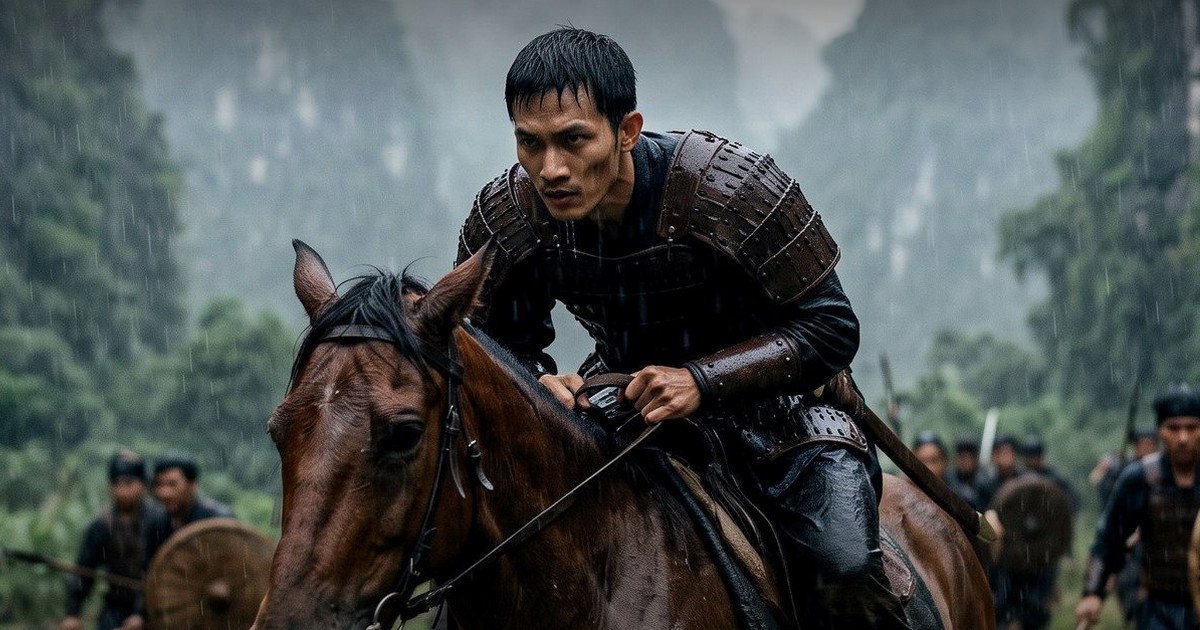
Lê Long Đĩnh died in the tenth month of 1009; two days later Lý Công Uẩn took the throne. The record explains the epithet — and four readings follow.
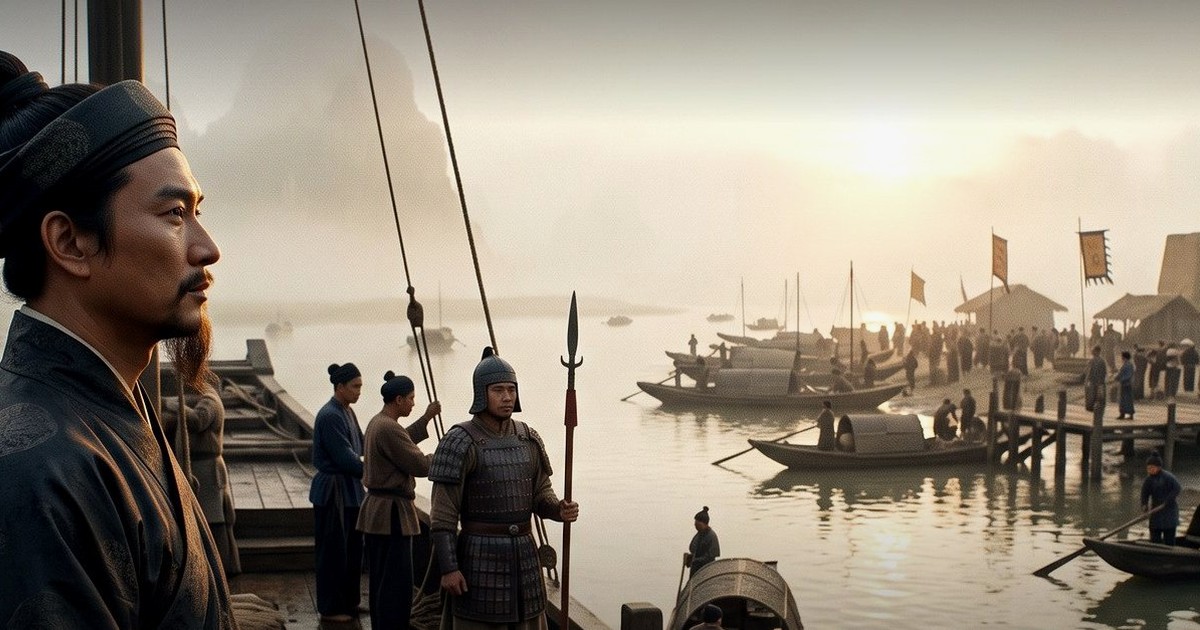
In 968 Đinh Bộ Lĩnh ended the Twelve Warlords and named the realm Đại Cồ Việt. The record gives a sentence; the series builds a season from the silence.
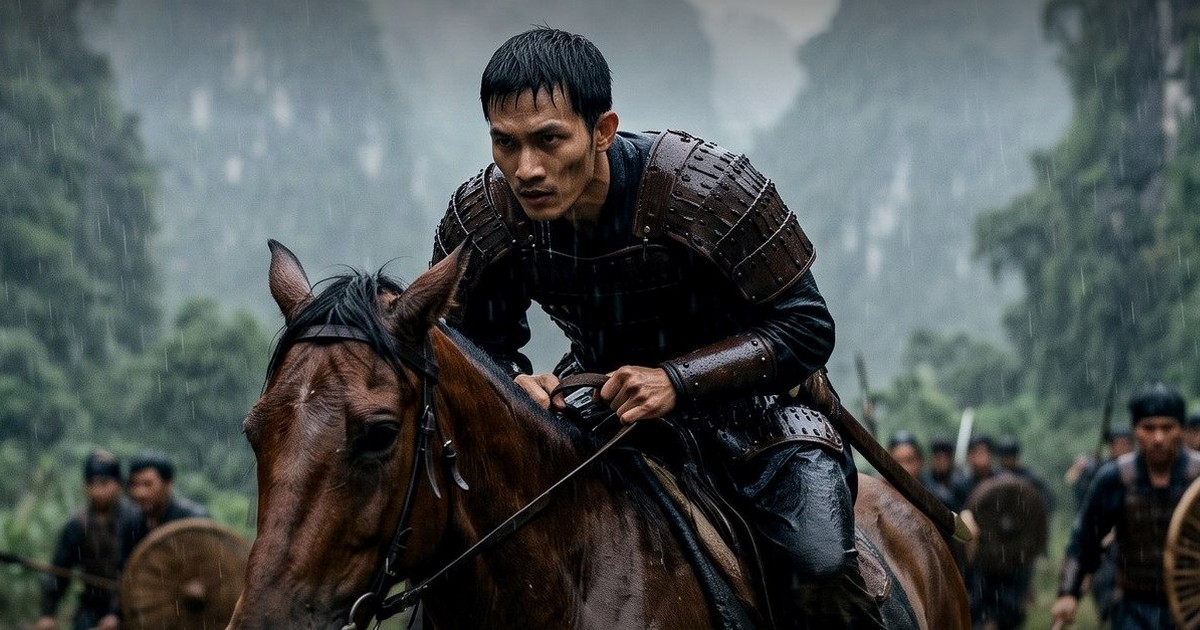
In 981 Hầu Nhân Bảo fell and the Song army fled. The record gives the war two lines; Season II gives it a border, a boy on a throne and a general.
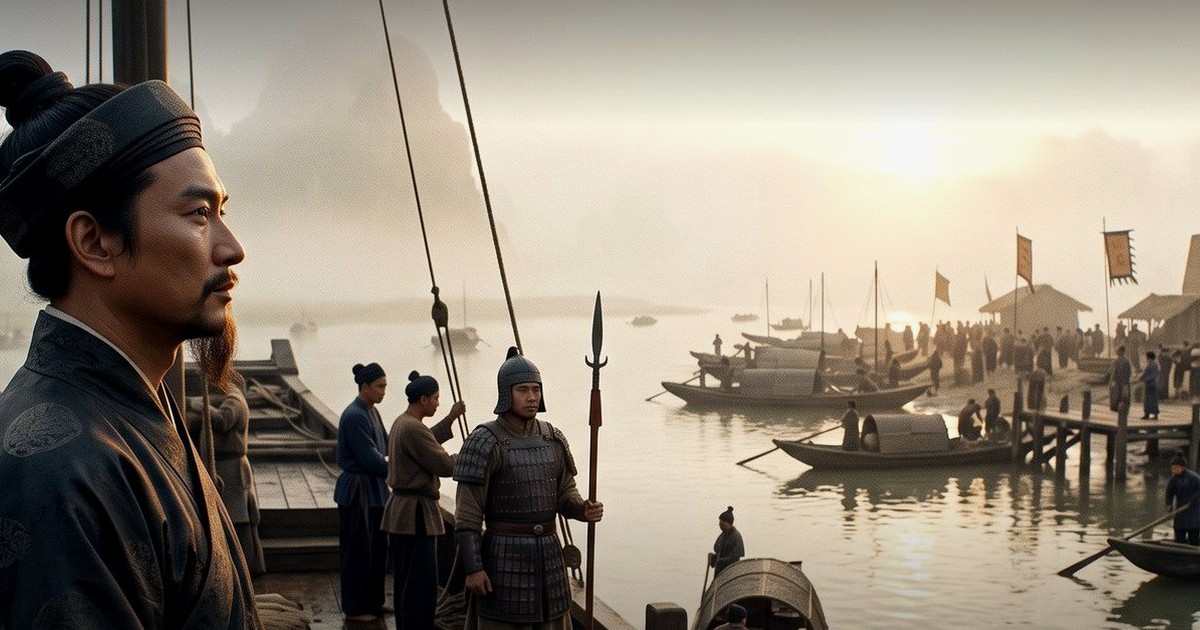
In 1010 the Edict on the Transfer of the Capital made Đại La into Thăng Long. The series ends on the document, not a battle.
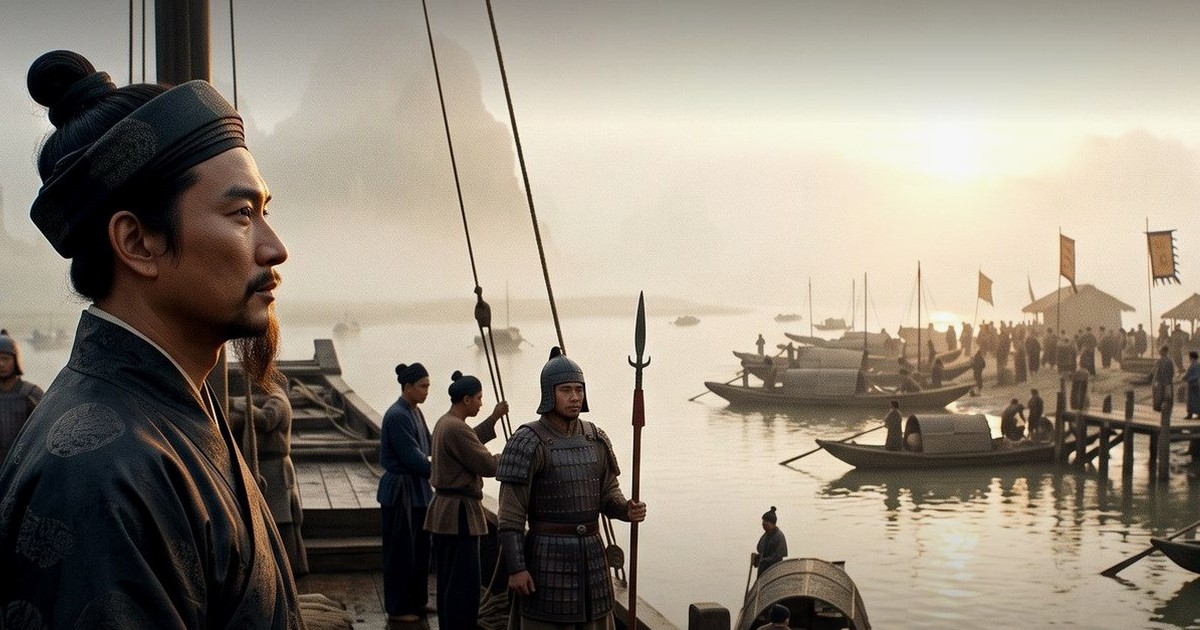
Ngô Thì Sĩ wrote his history in the eighteenth century; it was printed posthumously in 1800. What it is, how it survives, and the hypothesis it adds.
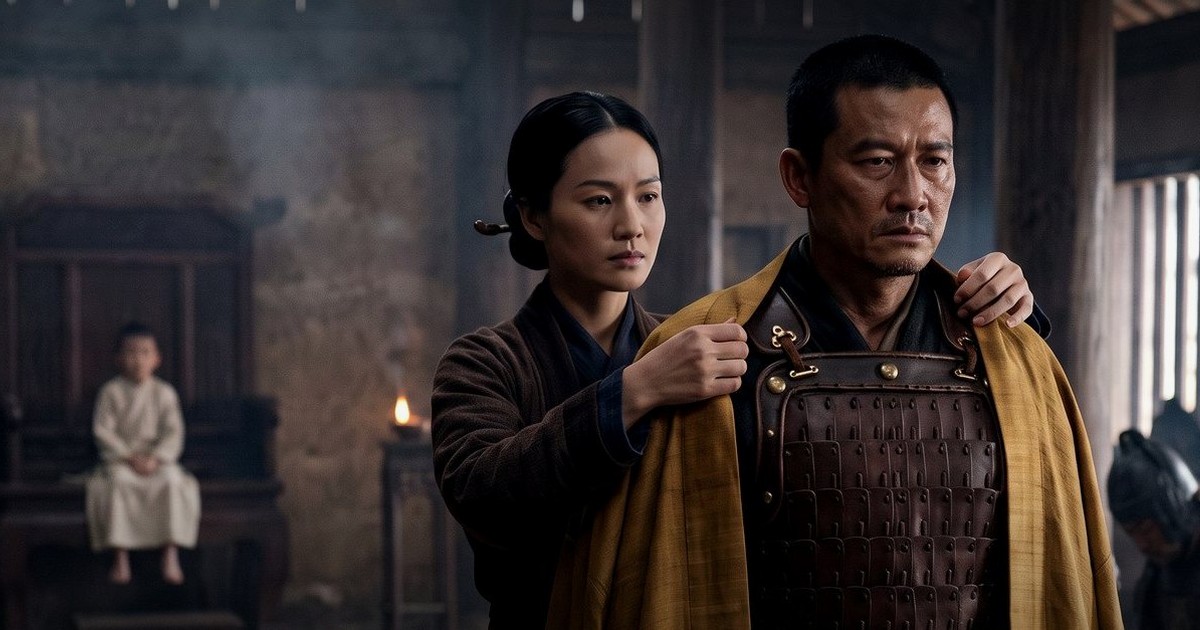
Ngô Sĩ Liên compiled the Toàn thư in 1479; the first complete print came in 1697. What the chronicle is, how it survives, and what the series takes from it.
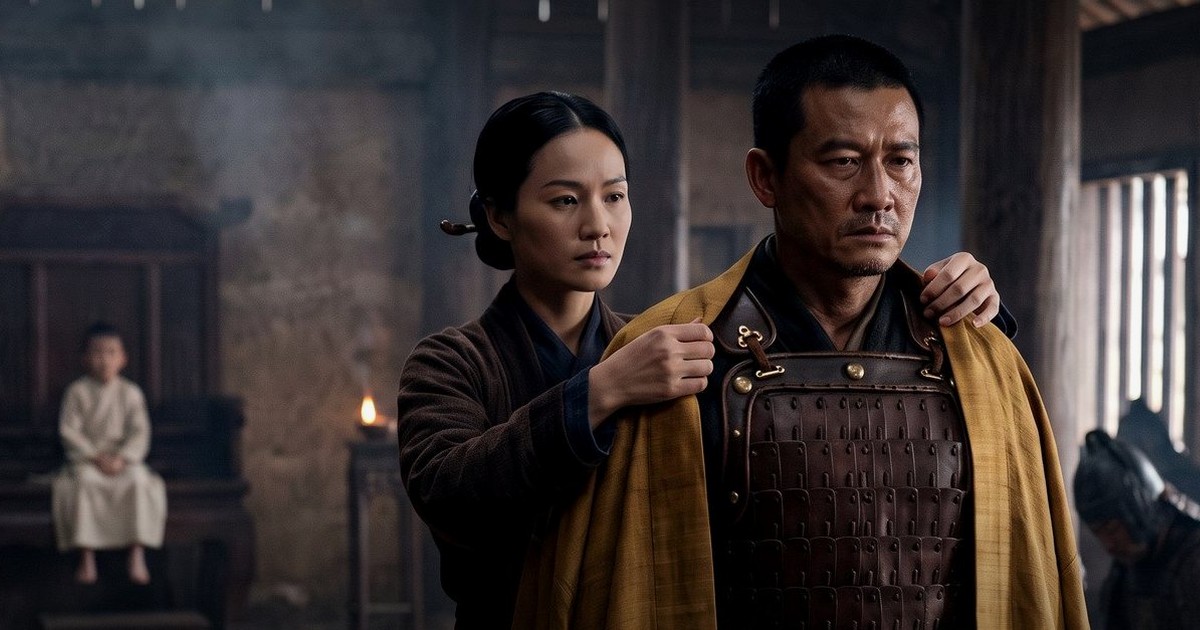
He ended the Twelve Warlords and gave the realm its name. Then a night of feasting in 979 ended the reign — and the chronicle names a killer.
Son of Đinh Bộ Lĩnh, made crown prince in 978 and killed by his half-brother in spring 979: what the record says, and what the pillars only suggest.
Eldest son of Đinh Bộ Lĩnh, killer of his half-brother, envoy to the Song court, and one of the two men murdered in 979: what the record says.
The six-year-old emperor of 979, the child behind the robe, and the man killed by a stray arrow in 1001: what the record says and what later histories add.
Both early chronicles name Đỗ Thích as the killer of Đinh Tiên Hoàng and Đinh Liễn. Modern historians question it; the record keeps the name.
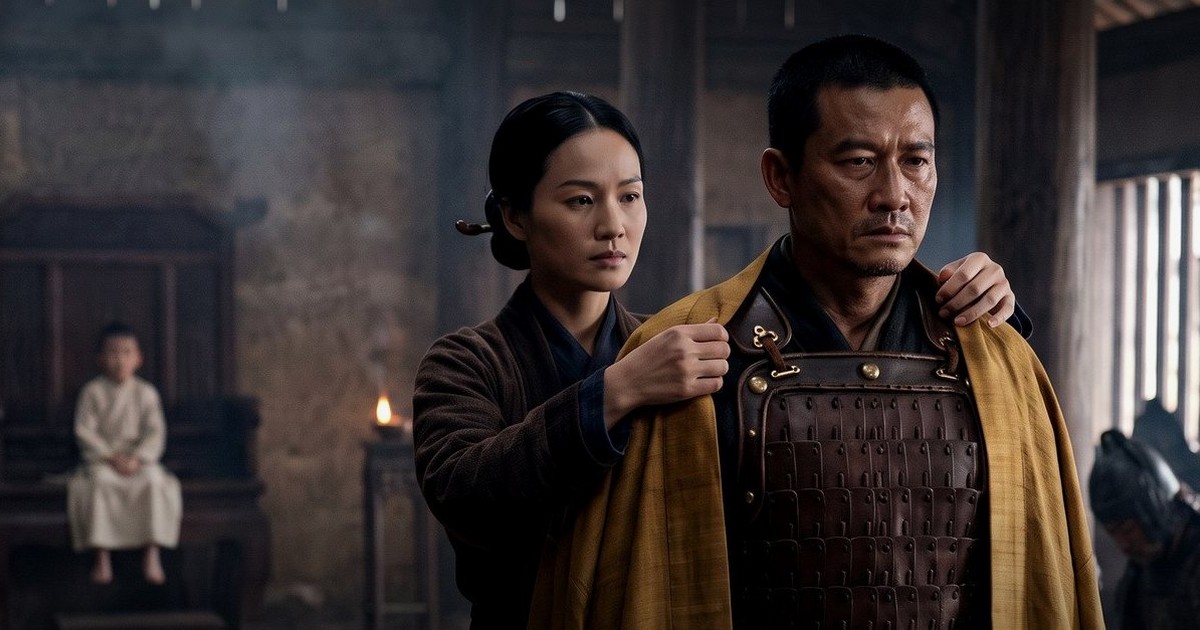
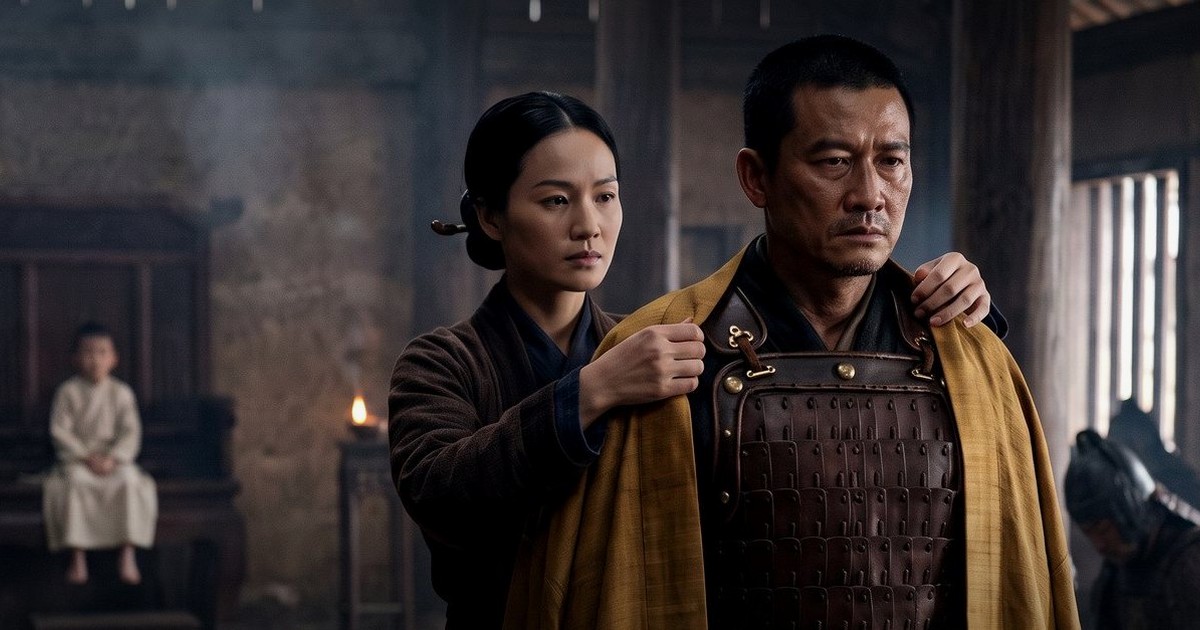
The robe of 980, the regency it sealed, and a second marriage the record places after the war: Dương Vân Nga and Lê Hoàn.
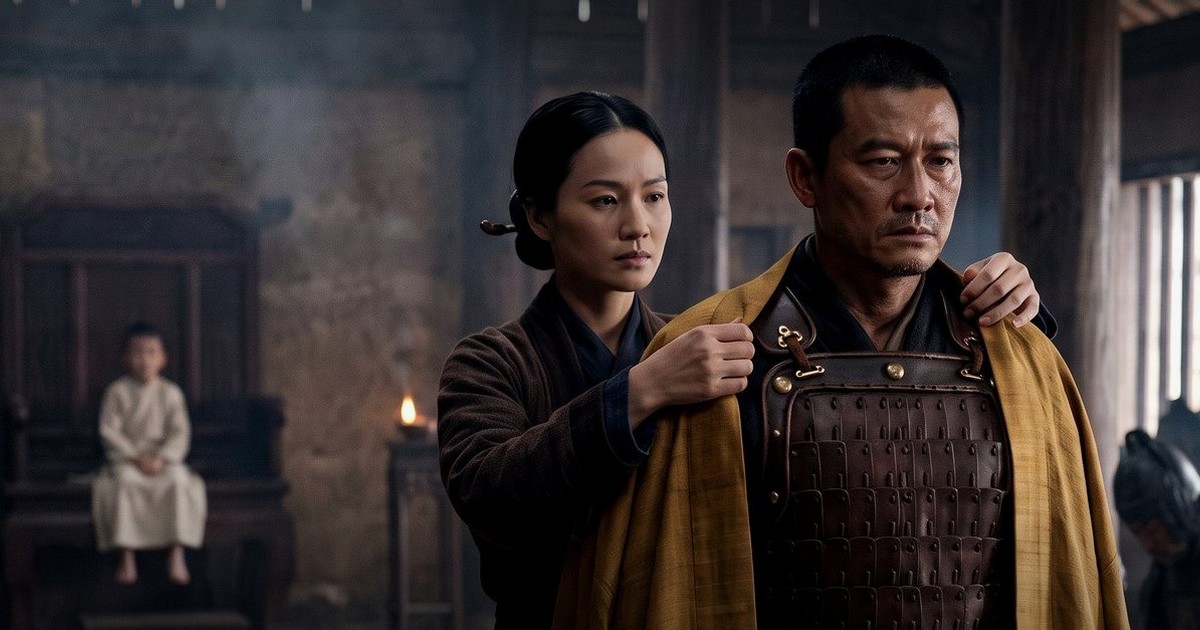
The dowager empress who ordered the imperial robe placed on a general's shoulders in 980: a lapse of virtue to some readers, vision to others.
The Song commander opposite Lê Hoàn in 981: what the chronicle records, what Song sources add, and why the battle details are later and competing.
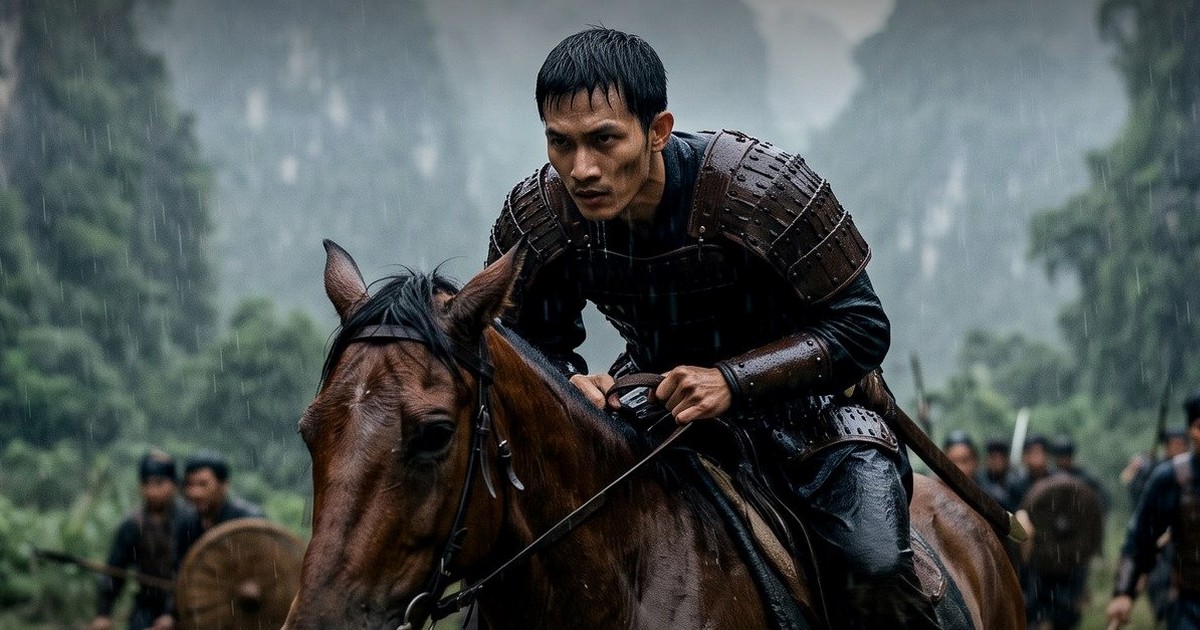
Hoa Lư is where the series begins and the realm is assembled: the caves, the feast of 979, the robe of 980 — and the capital the move of 1010 leaves behind.
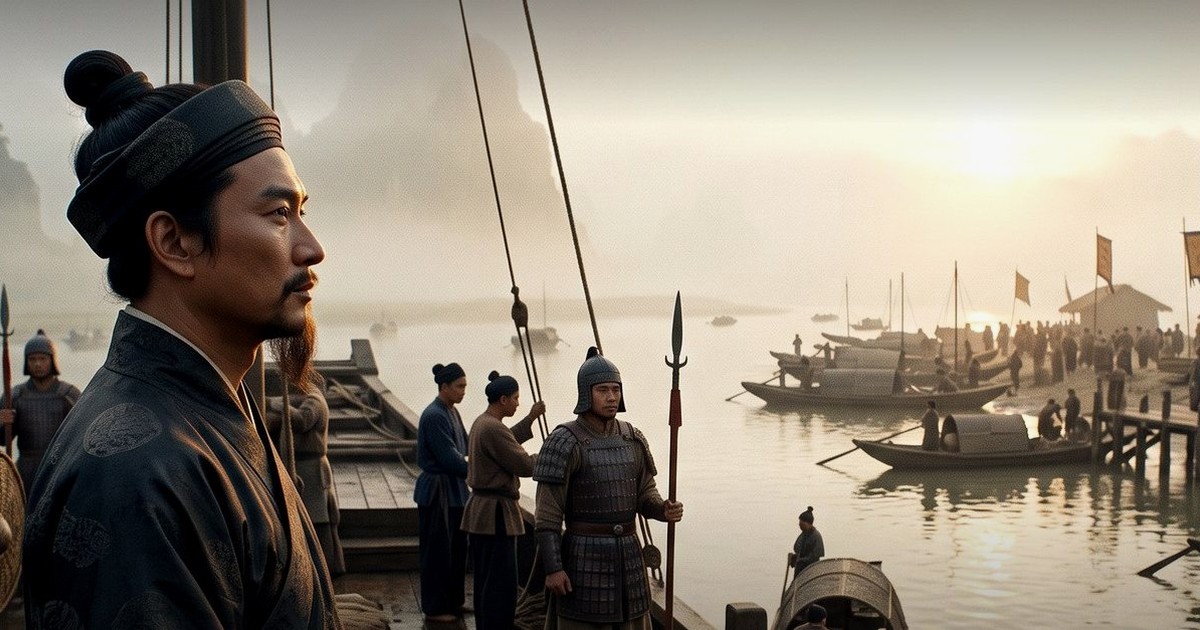
The empress the chronicle does not name: Lập Giáo Hoàng hậu, wife of Lý Công Uẩn and mother of Lý Thái Tông — record, tradition and what remains open.
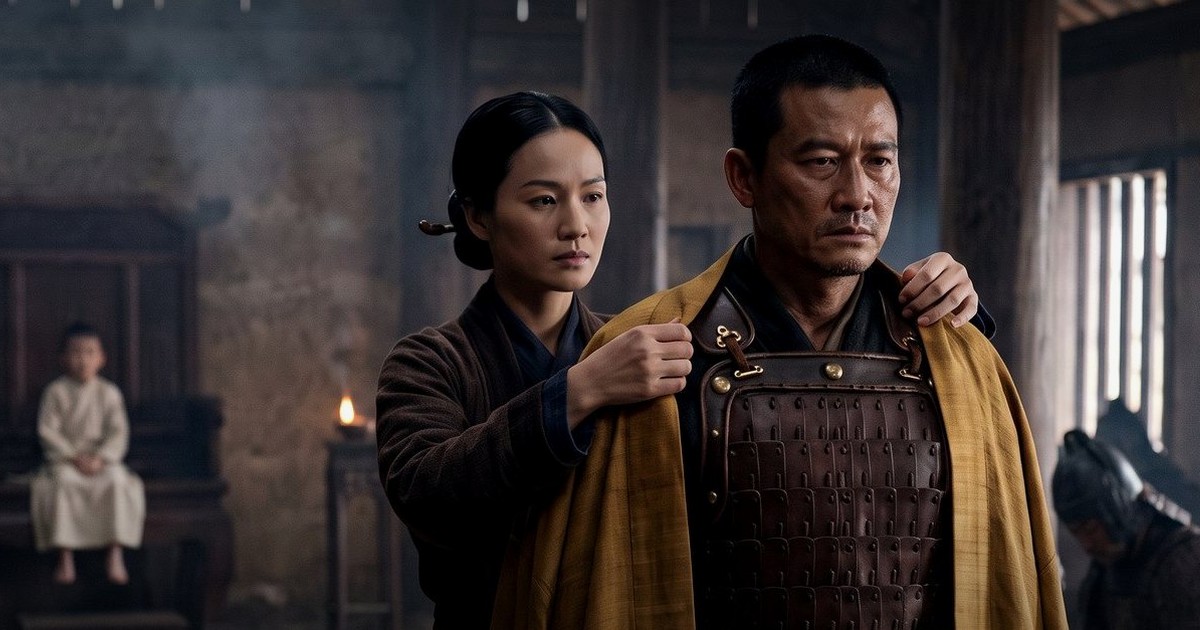
The general who took the robe in 980 and shattered the Song army in 981: Lê Hoàn, the series’ Lê Đại Hành, between the chronicle and the screen.
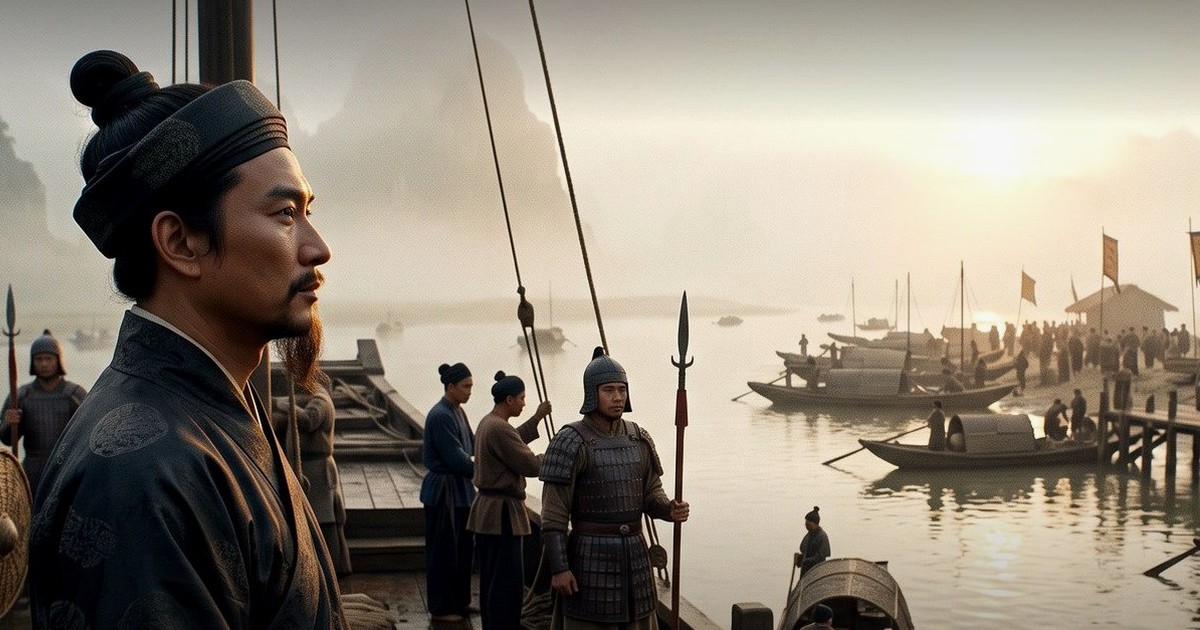
A palace guard, a king who died in his bedchamber, and two days: Lê Long Đĩnh and Lý Công Uẩn, and what the record never explains.
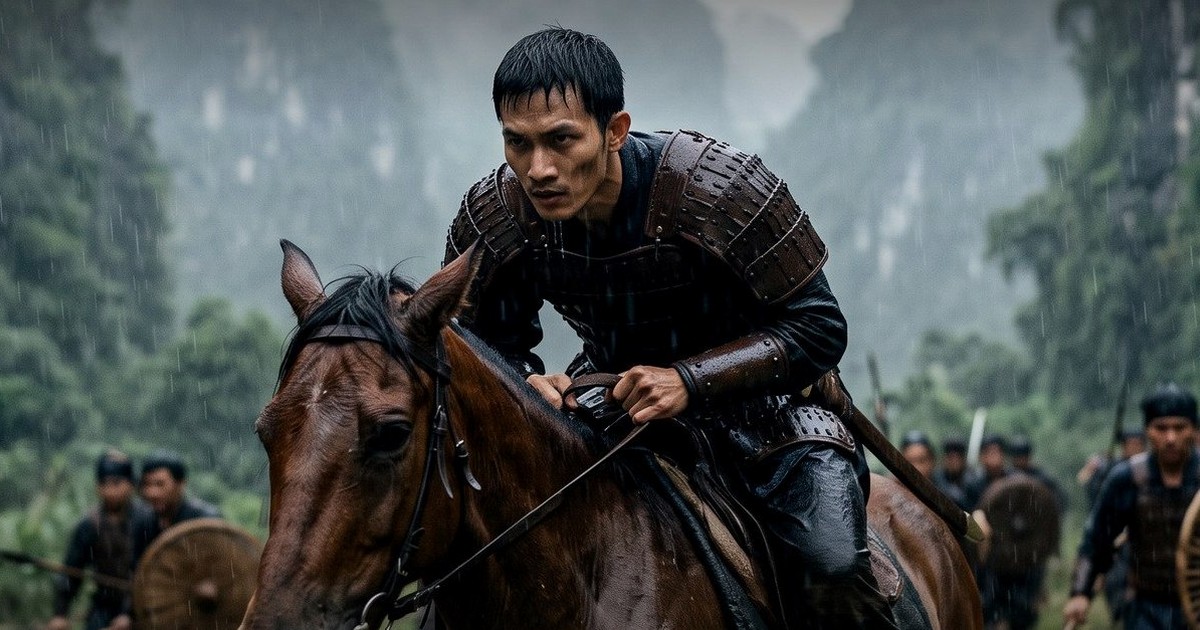
The last Lê king, an epithet that may be slander, and a death the record leaves unexplained — the series stages four readings of it.
A founding general of the Đinh who held Đại La, and whose life ends in 979 in one tradition and 1013 in another: what the record has and what thần phả adds.
Raised at Cổ Pháp and taught by the monk Vạn Hạnh: a palace guard who took the throne two days after a king's death — and moved the capital.
Later tradition says Lý Công Uẩn was given at three to a monk called Lý Khánh Văn. The early chronicles do not name him, and his identity is contested.
A Twelve Warlords leader who submitted to Đinh Bộ Lĩnh, married a Đinh princess, then returned with a Champa fleet and drowned in a storm.
The fifteenth-century Lê official who compiled the Toàn thư in 1479. What is attributed to him, what later editors added, and why the difference matters.
Ngô Thì Sĩ (1726–1780) wrote the Tiền biên and the Việt sử tiêu án. His poisoning hypothesis is the fourth reading — a later interpretation, not record.
Eldest son of Ngô Quyền, co-king as Thiên Sách vương from 951 to 954, and the father of a future warlord: what the record gives and later tradition adds.
King of the Ngô from 950 to 965, co-ruler with his elder brother from 951 to 954: what the chronicle records, and why his death opens the road to 968.
A Đinh founding general and Định Quốc Công in 968 who caught the king’s killer and died resisting Lê Hoàn: the record and the later labels.
The general under the Đinh and Lê who rallied the troops to acclaim Lê Hoàn at Đào Lâm in 980 — and why “betrayal” is a later verdict, not the record.
The chronicle explains the epithet Ngọa Triều by hemorrhoids and lying court; a wild-history note adds wine, and Ngô Thì Sĩ adds poison.
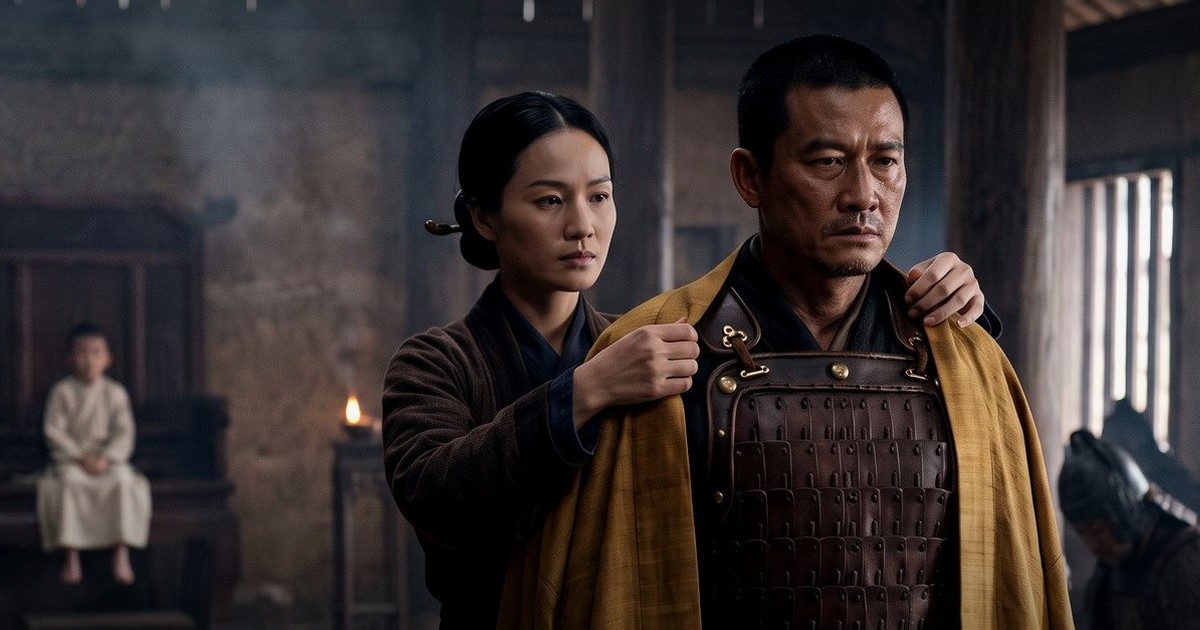
The chronicle records an eight-line omen verse that Vạn Hạnh read as the Lý rise. The series never prints it — and the line not to cross is inventing one.
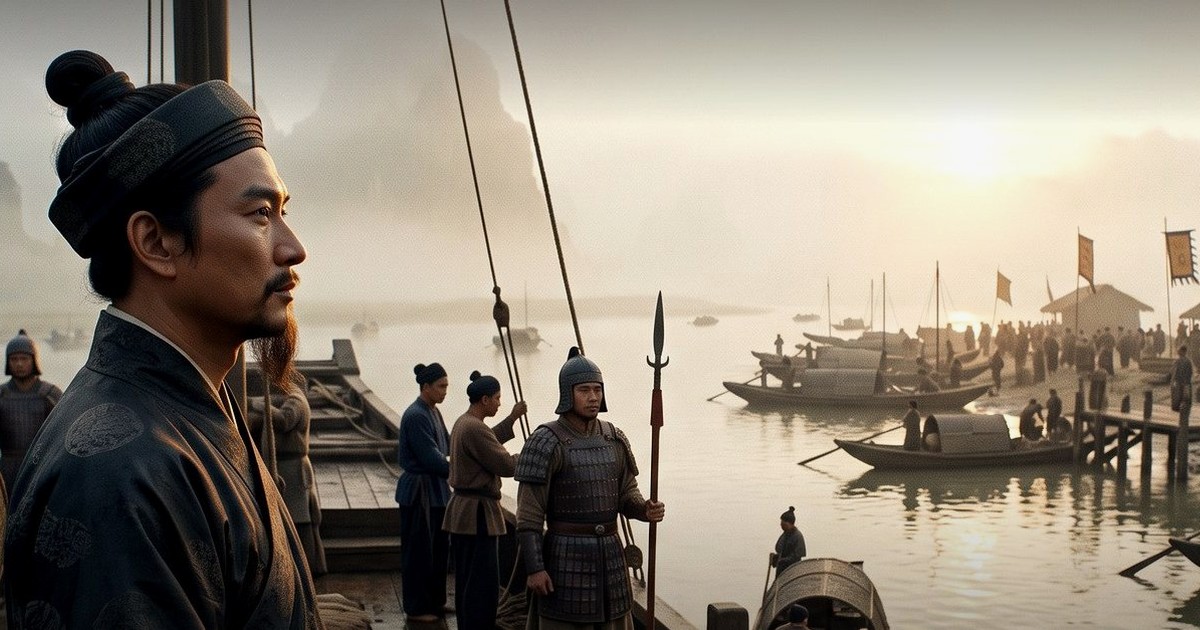
A monk taught Lý Công Uẩn and interpreted an omen the series withholds: where the record stops, and what later readers added.
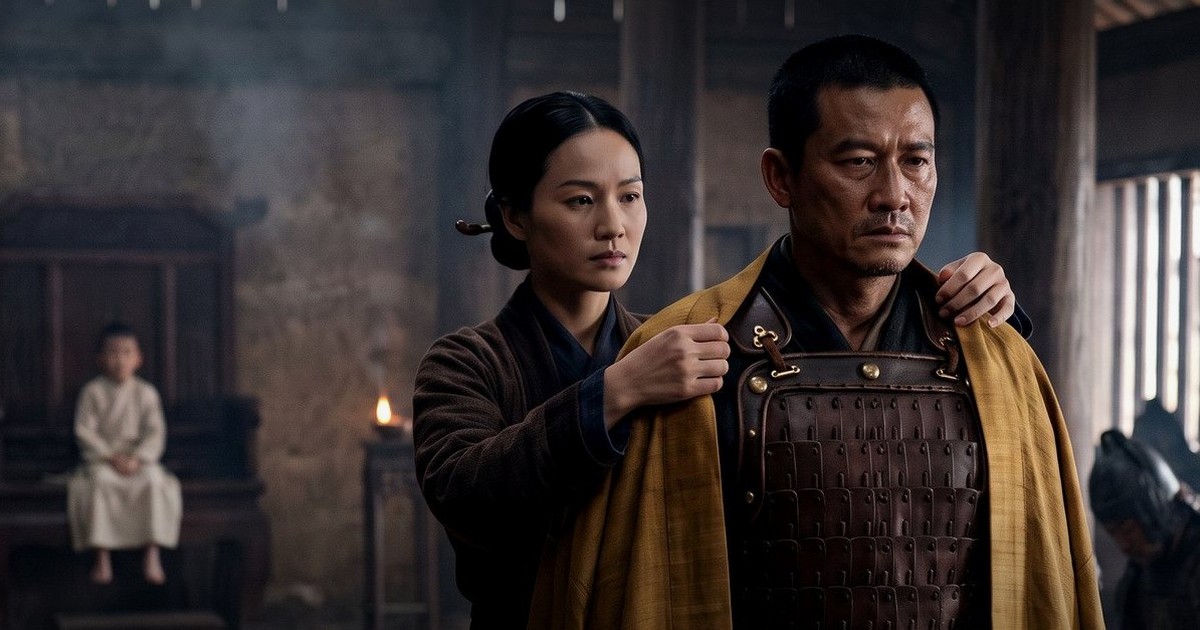
The monk who taught Lý Công Uẩn and interpreted the omen the series withholds: what the chronicle records, and what later readers made of it.
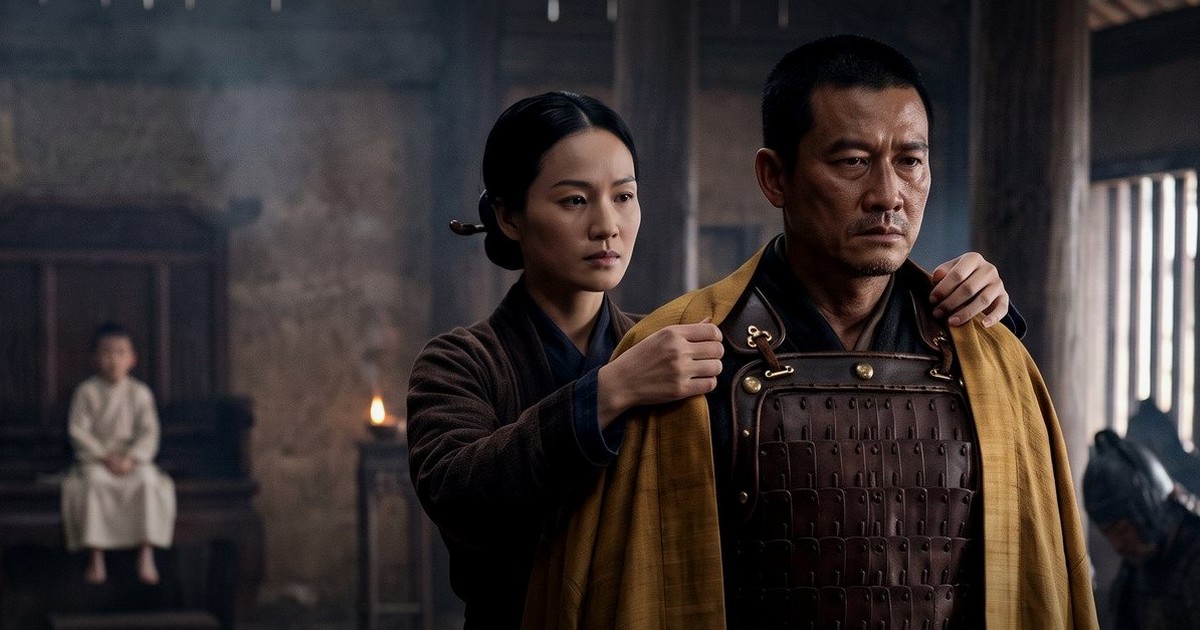
Đại Cồ Việt invents dialogue, motives, composite characters and whole scenes. What is hư cấu, what is record, and why the line is labelled.
Fiction and assumptions