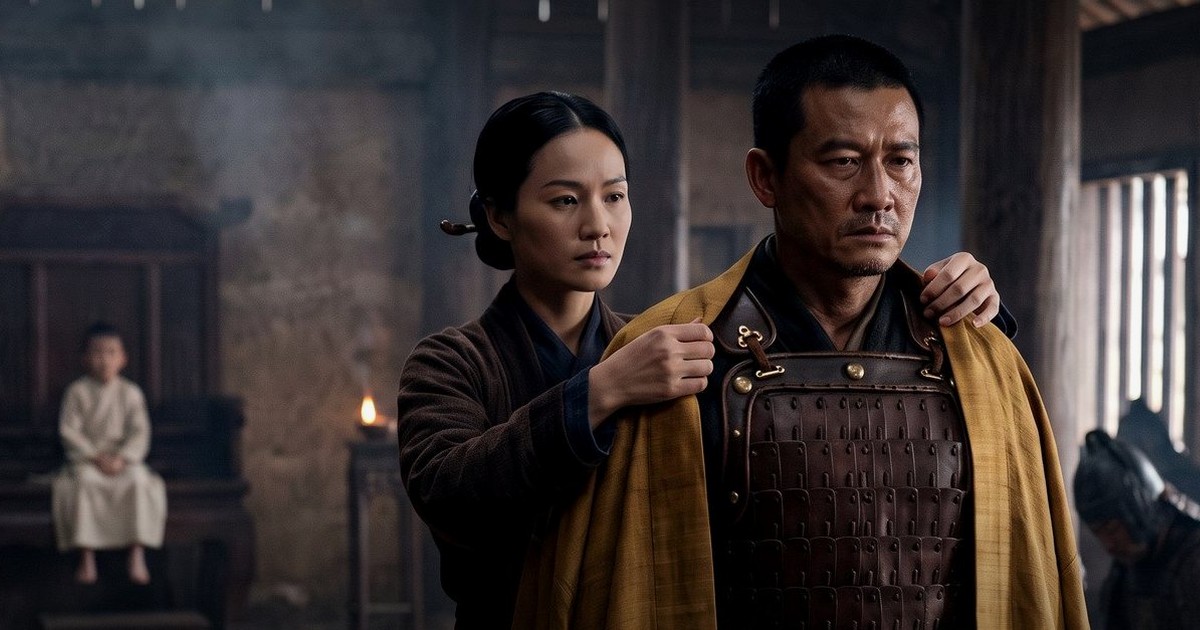
Đinh Bộ Lĩnh: the man who ended the Twelve Warlords
He ended the Twelve Warlords and gave the realm its name. Then a night of feasting in 979 ended the reign — and the chronicle names a killer.
Characters
A founding general of the Đinh who held Đại La, and whose life ends in 979 in one tradition and 1013 in another: what the record has and what thần phả adds.
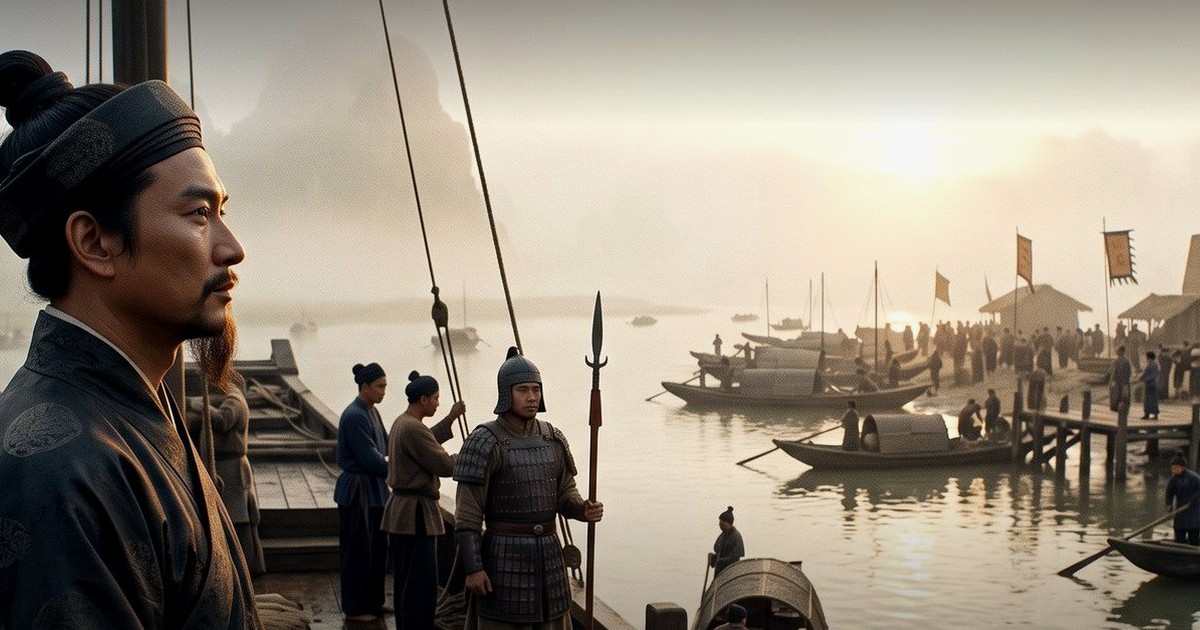
Lưu Cơ is the clearest case in the series’ background of a figure whose record and later tradition cannot both be true. One tradition kills him in 979 at Bãi Vàng, resisting Lê Hoàn; another keeps him alive until 1013, serving the Lê, handing Đại La to Lý Công Uẩn in 1010 and dying at seventy-three. The chronicle does not decide between them, and this page does not either. Its register is interpretation because the shape of his life depends on which layer you read.
What the record supports is narrower. Lưu Cơ is a founding general of the Đinh, and later labels place him among the “Tứ trụ” — Bặc, Điền, Cơ, Tú — though that title is itself a later grouping, not a contemporary office. In 971 he is made Đô hộ phủ sĩ sư and governs the old Đại La citadel, which is why a page about him belongs beside the place page on Đại La. The chính sử confirms only Nguyễn Bặc, Đinh Điền and Phạm Hạp as resisting Lê Hoàn; Lưu Cơ’s part in that rising comes from thần phả, not from the chronicle.
The first tradition has him killed with Trịnh Tú at Bãi Vàng, resisting Lê Hoàn after 979; it gives him a death at the height of the Đinh loyalist resistance. The second has him survive that moment, serve the Lê and then the Lý, hand Đại La over to Lý Công Uẩn in 1010, and die in 1013 aged seventy-three. Birth is given as 924 in one reckoning and 940 in the other; death as 979 or 1013. The two accounts cannot both be true, and the record does not break the tie.
Around the two traditions sit further later layers: a village cult, the claim that he was the first holder of judicial power, and the “Tứ trụ” title itself. None is a chronicle entry, and this page labels them as tradition. What survives in the record is the office of 971 and the founding role, not the manner of his death.
The series does not name him. The founding of 968 is staged with anonymous figures, and the 980 acclamation uses anonymous generals. The still on this page is the Đại La wharf at dawn — the place tradition B makes him hand over — but the series does not put him in the scene, and this page does not read the image as evidence for tradition B.
Everything here is hư cấu. No scene of Lưu Cơ exists in the published material; any scene of the Bãi Vàng resistance or of the 1010 handover would be invention. The still shows a boat deck and a distant wharf, not a man identified as Lưu Cơ.
It does not give a firm birth or death year, because the traditions disagree. It does not make the Bãi Vàng death a fact, because the chronicle does not record it. It does not make the handover of Đại La a fact. It does not call “Tứ trụ” a contemporary title. And it does not claim that the chronicle records his resistance to Lê Hoàn: that part is thần phả.
Because the series is built on the difference between what the record states and what later memory adds. Lưu Cơ is that difference in a single life: a recorded office and a founding role, plus two incompatible stories about how he died. In one he is a loyalist casualty of 980; in the other he is the bridge between the Đinh capital and the Lý move of 1010. The page keeps both visible and picks neither.
He ended the Twelve Warlords and gave the realm its name. Then a night of feasting in 979 ended the reign — and the chronicle names a killer.
In 1010 the Edict on the Transfer of the Capital made Đại La into Thăng Long. The series ends on the document, not a battle.
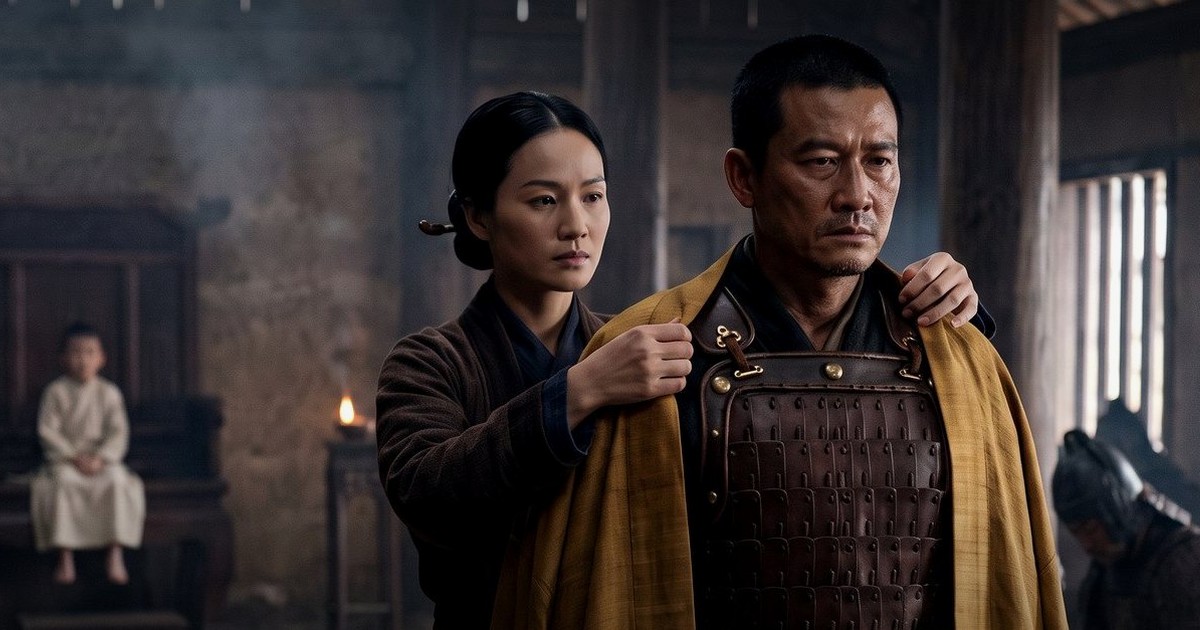
The general who took the robe in 980 and shattered the Song army in 981: Lê Hoàn, the series’ Lê Đại Hành, between the chronicle and the screen.