“The king died in his bedchamber”: how to read one line
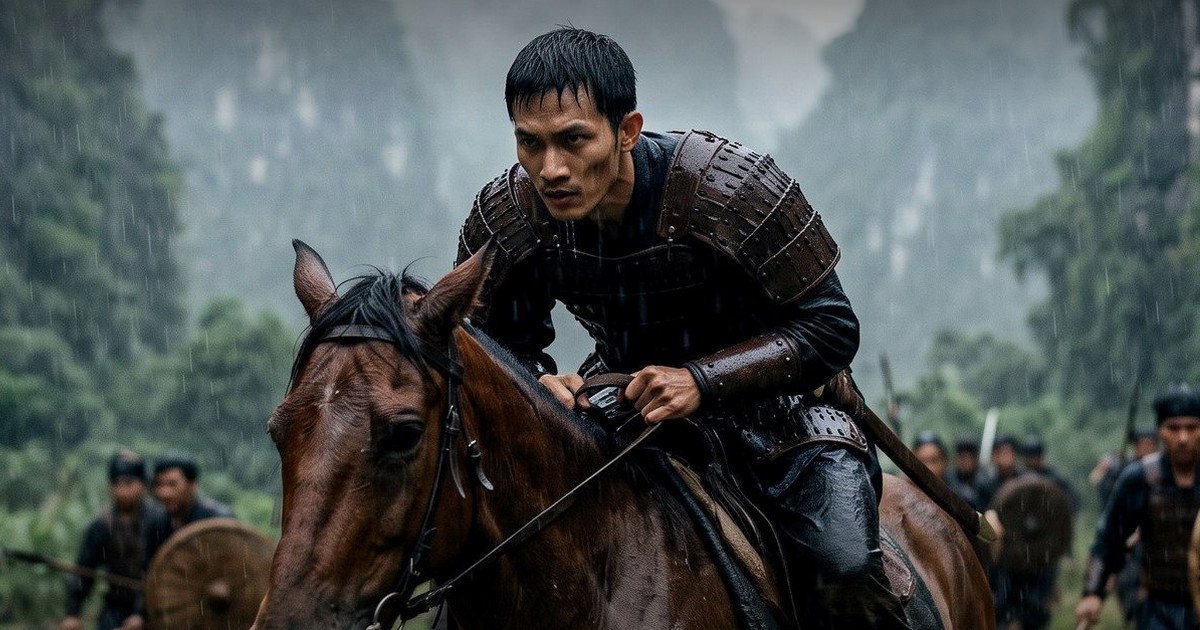
The chronicle records Lê Long Đĩnh’s death in the bedchamber and explains the Ngọa Triều epithet. Folk history, Ngô Thì Sĩ and the field add readings.
Characters
Both early chronicles name Đỗ Thích as the killer of Đinh Tiên Hoàng and Đinh Liễn. Modern historians question it; the record keeps the name.
Đỗ Thích is the only name the early record gives for the most consequential murder in the series’ chronology. In 979, during a night of feasting, the king and his eldest son are killed in the palace courtyard. The chronicle names Đỗ Thích. He is not in the cast list, he has no scene, and the drama’s question — “Who killed the king — and who profits?” — deliberately leaves the name to the record.
He is a Đinh official, and the office title differs between sources. The earliest chronicle, the Việt sử lược, calls him “Phúc hầu hoằng Đỗ Thích”; the Toàn thư and the later Cương mục call him “Chi hậu nội nhân Đỗ Thích”. Both name him as the killer of Đinh Tiên Hoàng and Đinh Liễn.
The chronicle tradition adds a story around the act: a star fell into his mouth, he hid for three days, he was caught by Nguyễn Bặc and executed. Neither early chronicle gives him a biography; his origin appears only in a dã lục note in the Cương mục, which places him at Đại Đê in Thiên Bản. That note is later and anecdotal, and the site treats it as such.
Modern historians have argued that the single name is doing too much work. Some, including Hoàng Đạo Thúy and Phan Duy Kha and others, treat Đỗ Thích as a scapegoat and suspect the people who gained most from 979 — Lê Hoàn, and the dowager empress. A line in the Chinese Mộng Khê bút đàm, noted in the material behind the Lý Thái Tổ account, has “Lê Uy killed Liễn and took the throne”; that source is known to contain errors. None of this is contemporary evidence, and none of it clears the record’s name. It is hypothesis, and this page keeps it in that register.
A further caution: he may have been a eunuch, because the office title can imply it, but that is a possibility, not a certainty. And nothing in the record gives him a prophecy or a personal motive.
He is not in the cast list. The series asks the 979 question in Season II and leaves the killer unnamed in the material the site publishes; the name stays where the chronicle put it. That is a deliberate gap between the record and the drama: the record names a man, and the drama asks whether the naming is enough.
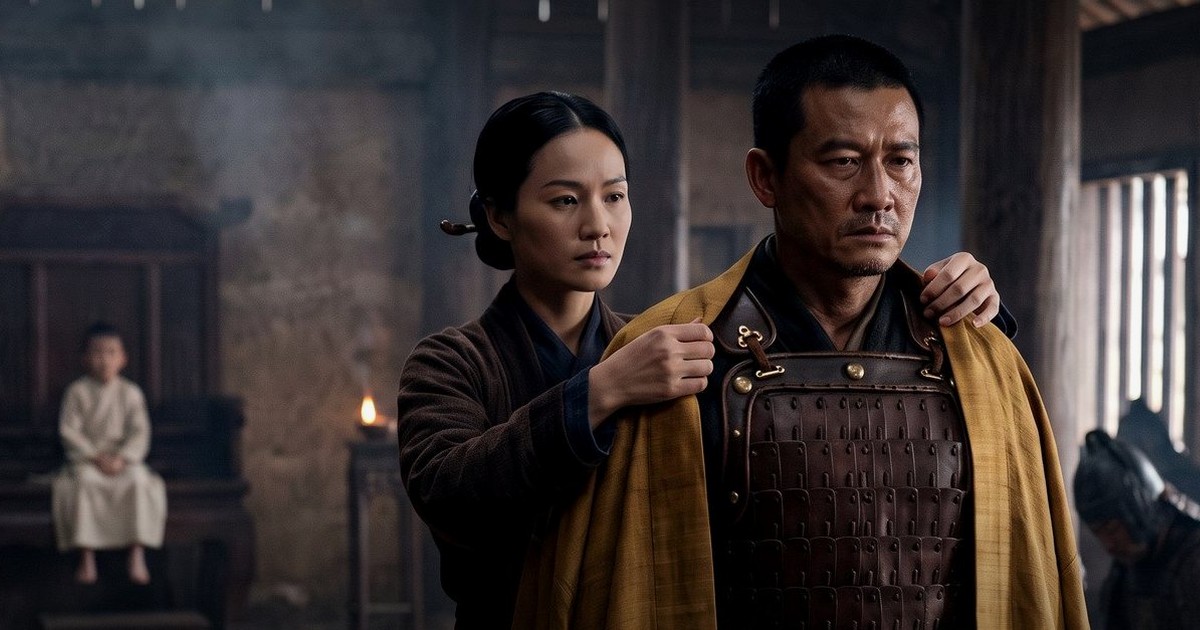
Everything here is hư cấu. Any scene of Đỗ Thích at the feast, any motive and any dialogue is invention; the published material gives none of it. The still above is the Đinh court, not the assassin — no image in the project shows him, and this page does not imply otherwise.
It does not assert that he acted alone, or for ambition. It does not assert that he was definitely guilty, because the record’s naming and a historian’s proof are different things. It does not state that he was certainly a eunuch. It does not give his origin beyond the later dã lục note. It does not claim a prophecy named him, and it does not claim Lê Hoàn is proven guilty either.
Because the series’ central question is about the pen. A single name in a chronicle written later can settle a dynasty’s story — or be the thing a later generation doubts. Đỗ Thích is the smallest possible case of that problem: one name, two dead kings, and a regency that followed. The record gives the name. The modern argument gives the doubt. The series gives neither answer, and that is the point of the question it keeps asking.
The chronicle records Lê Long Đĩnh’s death in the bedchamber and explains the Ngọa Triều epithet. Folk history, Ngô Thì Sĩ and the field add readings.
He ended the Twelve Warlords and gave the realm its name. Then a night of feasting in 979 ended the reign — and the chronicle names a killer.
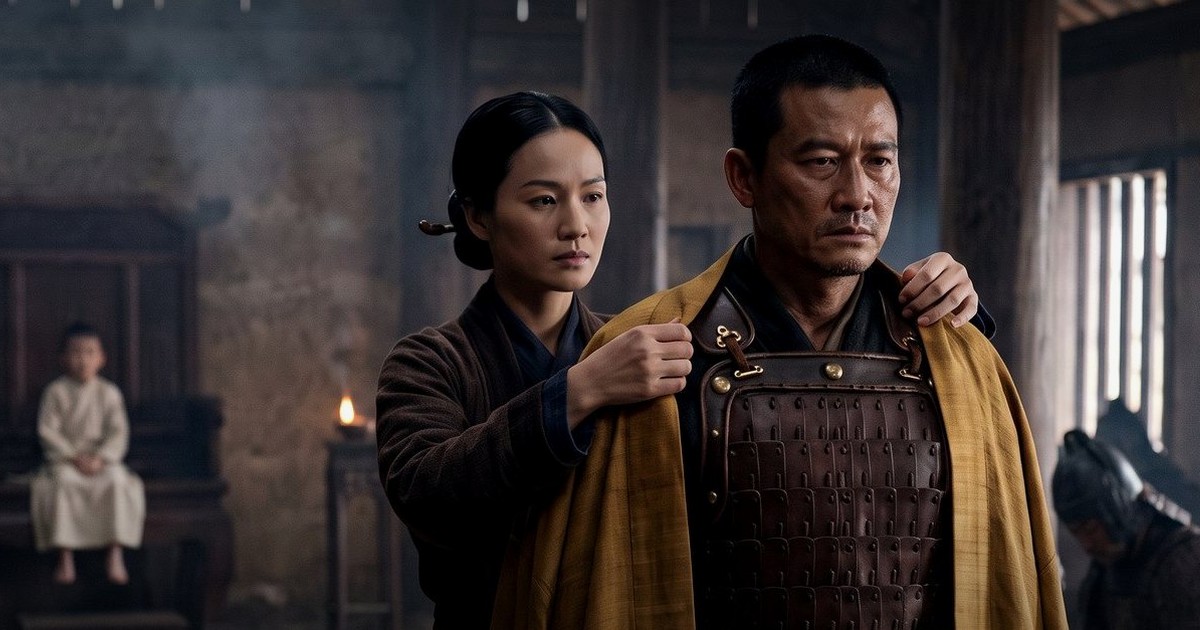
The general who took the robe in 980 and shattered the Song army in 981: Lê Hoàn, the series’ Lê Đại Hành, between the chronicle and the screen.