Đinh Bộ Lĩnh: the man who ended the Twelve Warlords
He ended the Twelve Warlords and gave the realm its name. Then a night of feasting in 979 ended the reign — and the chronicle names a killer.
Characters
Eldest son of Đinh Bộ Lĩnh, killer of his half-brother, envoy to the Song court, and one of the two men murdered in 979: what the record says.
Đinh Liễn is the second name in the chronicle’s shortest and most consequential entry. In 979, during a night of feasting, the king and his eldest son are murdered in the palace courtyard. The father is Đinh Tiên Hoàng; the son is Liễn. His death, six months after he had killed his own half-brother, opens the succession crisis that hands the realm to a regency — and the regency to Lê Hoàn.
The chronicle gives him a lineage and two violent facts. He is the eldest son of Đinh Bộ Lĩnh, and the sources do not make him the son of Dương thị; Đinh Toàn, the child who succeeds in 979, is his half-brother. He holds the title Nam Việt vương from 968. In early 979 he kills his half-brother Đinh Hạng Lang. Then, in the tenth lunar month of the same year, he is murdered with his father; the chronicle names Đỗ Thích as the killer.
The record does not make him crown prince. Succession at Hoa Lư was not settled in his favour by any formal designation the sources record, and his own killing of Hạng Lang is the act that most clearly shows the succession being fought over rather than arranged.
Later accounts fill in the rest of his life: hostage at Cổ Loa from 951 to 965, envoy to the Song court in 972, and the Song title Giao Chỉ quận vương in 975. His birth is placed around 940 by later reckoning, a figure derived from his age at death and not stated in the chronicle.
Modern historians dispute the Đỗ Thích attribution, and some read the 979 murders as a court operation that the record’s single name cannot carry. Genealogies also claim descendants of Liễn; those claims are not used here. The point for this page is narrower: the record has the killing of Hạng Lang, the double murder and the title, while motives and the killer’s identity are later layers, and the site labels them as such elsewhere.
Liễn is named only in the 979 chronicle line: “Đinh Tiên Hoàng and Đinh Liễn are murdered.” He has no cast entry, no scene and no portrait in the published material. The series’ Season II opens with the night of the feast, in which “the father and his eldest son” die — the event that makes a six-year-old emperor, a dowager empress, a general and a border war into one story.
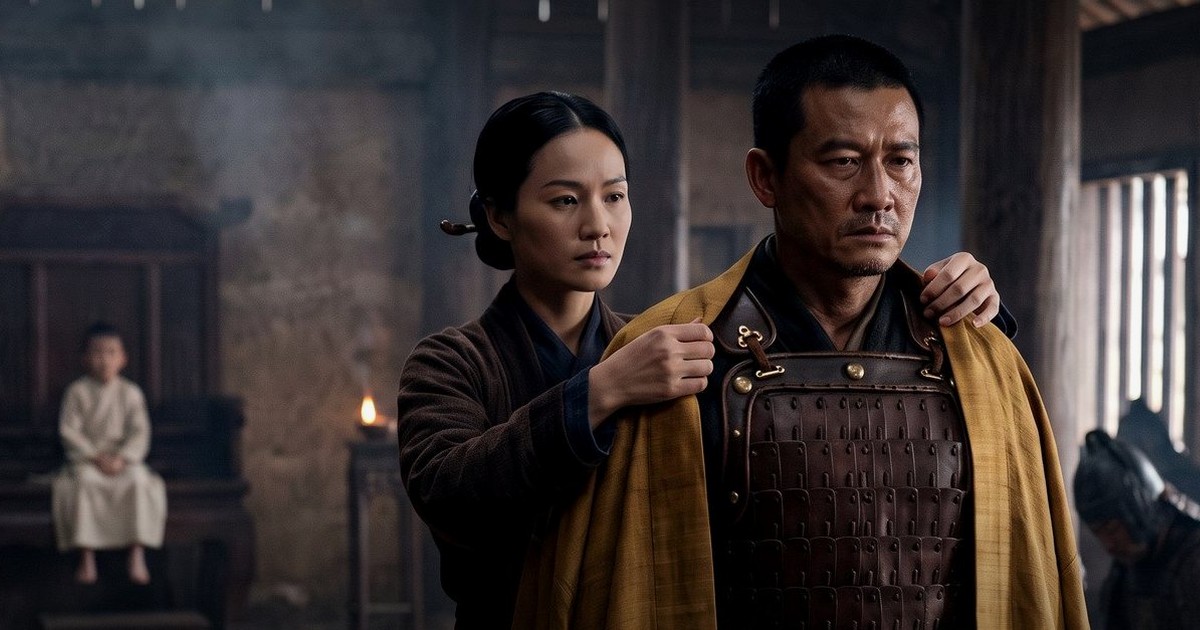
Everything here is hư cấu. The killing of Hạng Lang, the feast night and Liễn’s own death are recorded as events, not as scenes; the room, the words and the sequence are invented, and none has yet been staged in the material the site publishes. The still on this page is the Đinh court, not a portrait of him: no image in the project shows Đinh Liễn, and this page does not imply one does.
It does not give an exact birth year — around 940 is later reckoning. It does not call him crown prince. It does not make him Dương thị’s son. It does not assert that Lê Hoàn had him killed, which is a modern hypothesis, not the chronicle. And it does not attribute to him all the stone-sutra pillars at Hoa Lư: nearly twenty have been found, one inscription carries his name, and that is not the same as all of them being his.
Liễn is where the 979 crisis begins, not where it ends. He removes one heir and is removed himself in the same year, and the two deaths leave a child on the throne and a general in the regency. The record gives him a title, a killing and a murder; the series gives him a single line and a season-opening night. Between those, the argument over who killed the king is still open.
He ended the Twelve Warlords and gave the realm its name. Then a night of feasting in 979 ended the reign — and the chronicle names a killer.
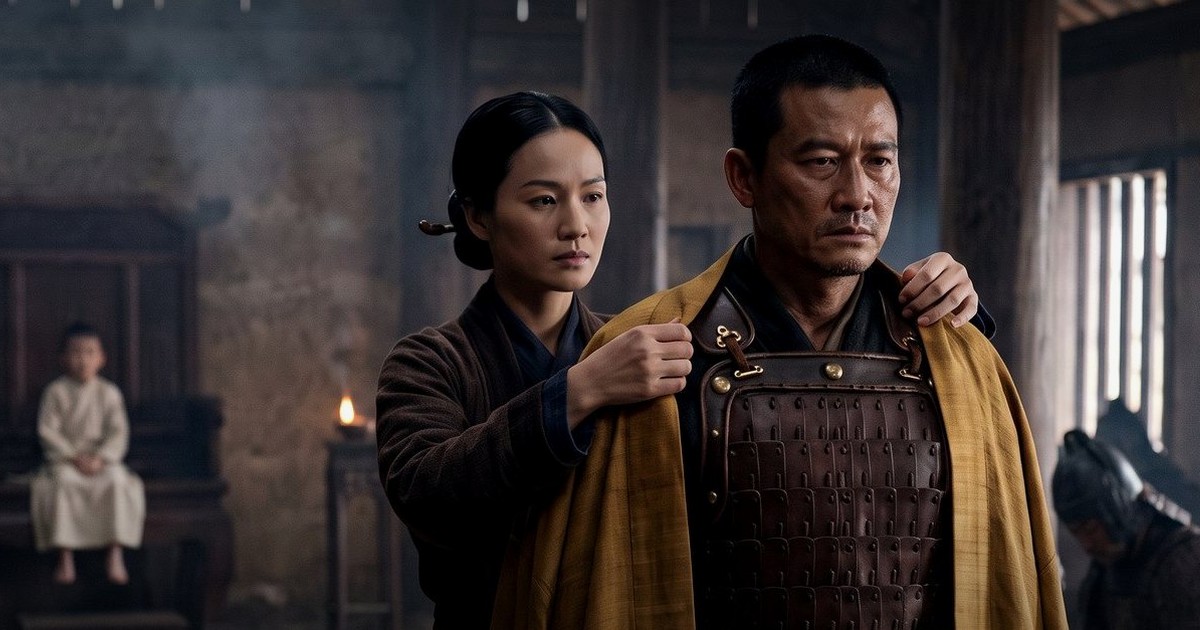
The general who took the robe in 980 and shattered the Song army in 981: Lê Hoàn, the series’ Lê Đại Hành, between the chronicle and the screen.
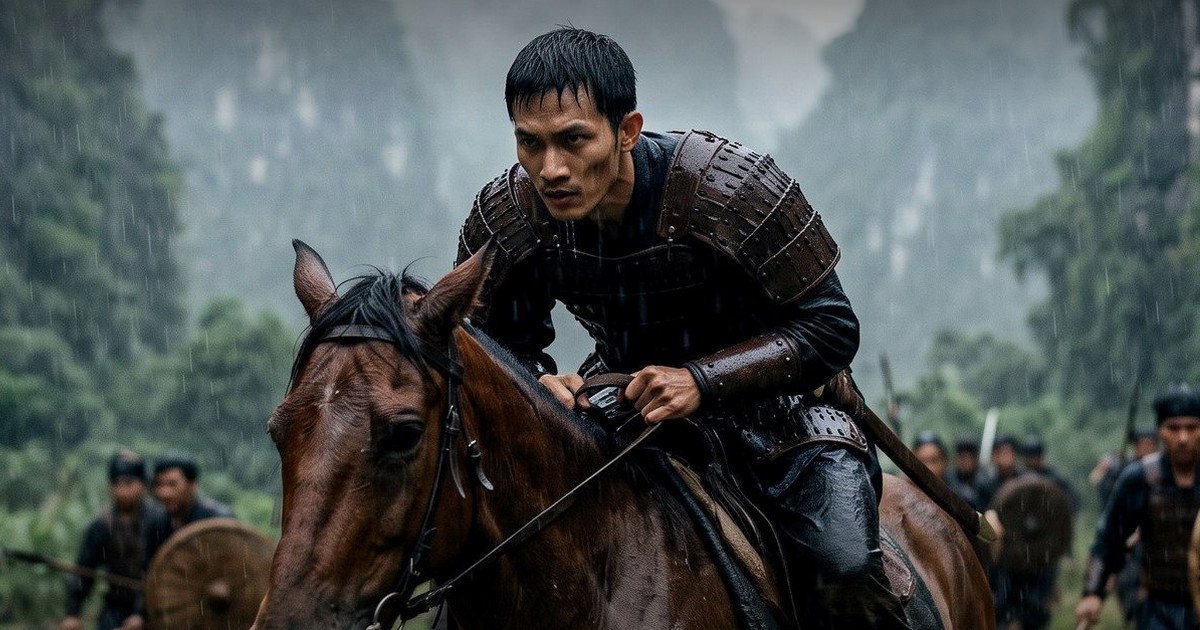
The chronicle records Lê Long Đĩnh’s death in the bedchamber and explains the Ngọa Triều epithet. Folk history, Ngô Thì Sĩ and the field add readings.