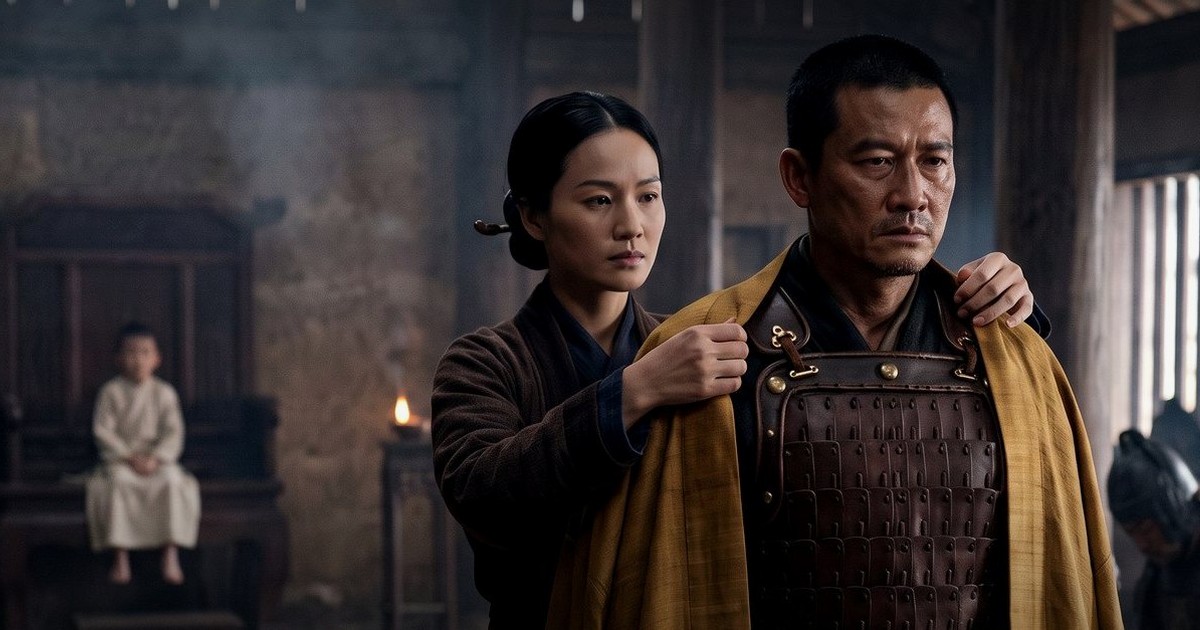
Đại Việt sử ký toàn thư: the chronicle behind the series
Ngô Sĩ Liên compiled the Toàn thư in 1479; the first complete print came in 1697. What the chronicle is, how it survives, and what the series takes from it.
History and sources
The fifteenth-century Lê official who compiled the Toàn thư in 1479. What is attributed to him, what later editors added, and why the difference matters.
The series quotes a book; this page is about the man the book is attributed to. Ngô Sĩ Liên is not a character in the drama and never appears on screen. He is the fifteenth-century compiler whose text the series uses for its dates, its silences and its four readings — and the distinction between the man, his compilation and the printed edition is the subject here.
Ngô Sĩ Liên was a Lê-dynasty official and historian. He compiled the Đại Việt sử ký toàn thư in 1479, in fifteen quyển, under Lê Thánh Tông, working from earlier histories including Lê Văn Hưu's thirteenth-century annals and Phan Phu Tiên's continuation. Reference works differ on his lifespan — some give 1400–1497 — and this page treats the exact dates as secondary.
The 1479 compilation was not printed at the time. The first complete printed edition came in 1697, in twenty-five quyển, produced by later revision groups — the Phạm Công Trứ group and then the Lê Hy group. That printed text is the ancestor of the standard chronicle, and it is not the 1479 manuscript.
What can be attributed to Ngô Sĩ Liên is the compilation and its structure, and some of its commentary. What cannot be attributed to him without checking is every line of the book the series quotes. The text was revised and extended by later editors; the 1697 print is their work as much as his.
The distinction matters for a specific reason: the Ngọa Triều folk-history note and the four readings of 1009 should not be assigned to Ngô Sĩ Liên personally without checking which layer of the text they belong to. The series labels the layers — main text, folk note, later historian, campaign record — and that labelling is what makes the attribution question visible instead of hidden.
The distance matters. Ngô Sĩ Liên wrote about 968–1010 roughly five hundred years after the events, from the perspective of a Lê court with its own reasons to be careful. His account is not neutral, and the studio's disclaimer says the same about the sources in general: they are few, were written later, and are often partisan.
That does not make the chronicle useless. It makes it layered. The series can use the dates and the silences because it says where they come from; it does not present the compiler as a neutral camera.
The page's register is interpretation because a historian is a reader of the record, not the record itself. The series' logline asks whether legitimate power comes from the sword, the bloodline, or the pen of whoever writes the history. Ngô Sĩ Liên is one answer to the third term: the pen, working five centuries after the fact, under a dynasty that had its own account to keep.
The drama stages the question rather than settling it. Ngô Sĩ Liên's chronicle supplies the spine of dates, and the source page on the Toàn thư says what the book is and how it survives. This page says who is behind it, and how little of the book is simply “his”.
It does not assert exact birth and death years as settled, does not say he wrote the 1697 text, and does not claim he invented the Ngọa Triều passage or the folk note. It does not make him a contemporary of the events, and it does not present his account as neutral. It also does not claim he wrote every word that bears the chronicle's name, because later editors revised it.
Because the series is as much about how the record is made as about what it says. A compiler is the person who decides what a reign will look like to later readers, and the gap between his fifteenth-century text and the 1697 print is a small model of the whole problem the drama stages. The page is a note on the pen — and on the fact that the pen has editors.
Ngô Sĩ Liên compiled the Toàn thư in 1479; the first complete print came in 1697. What the chronicle is, how it survives, and what the series takes from it.
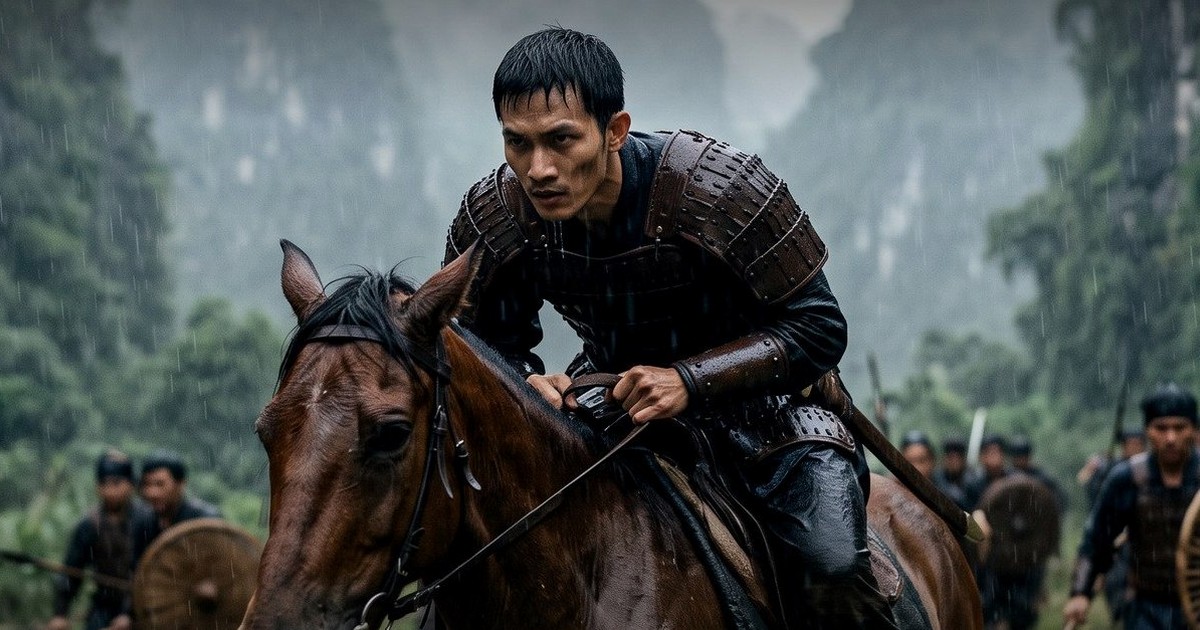
The last Lê king, an epithet that may be slander, and a death the record leaves unexplained — the series stages four readings of it.
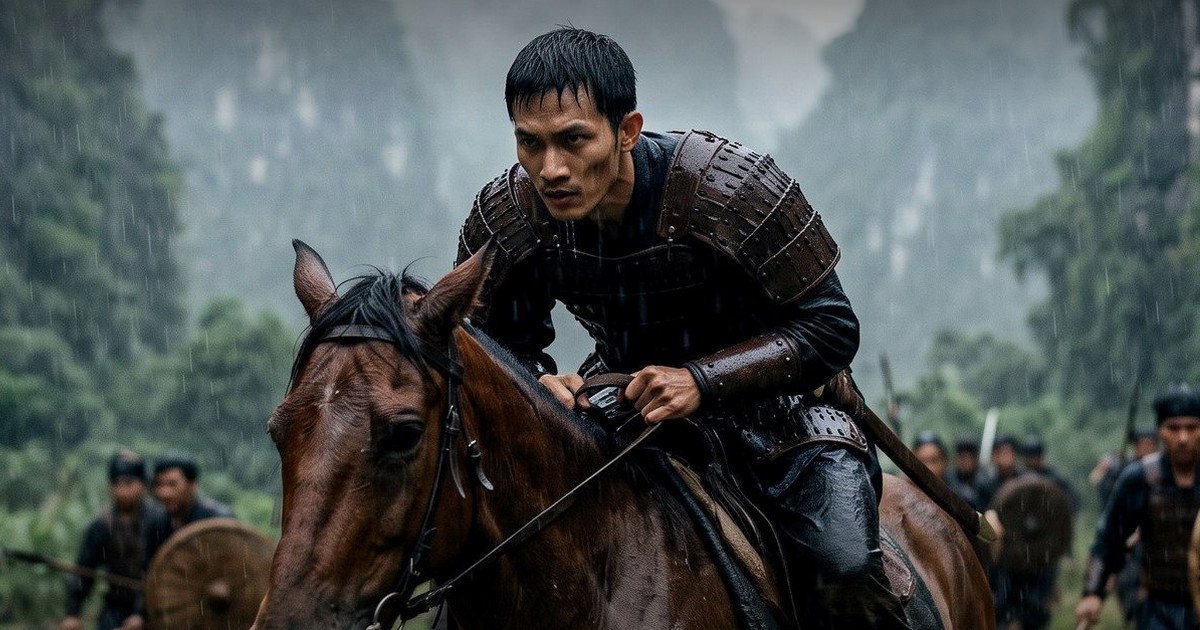
The chronicle records Lê Long Đĩnh’s death in the bedchamber and explains the Ngọa Triều epithet. Folk history, Ngô Thì Sĩ and the field add readings.