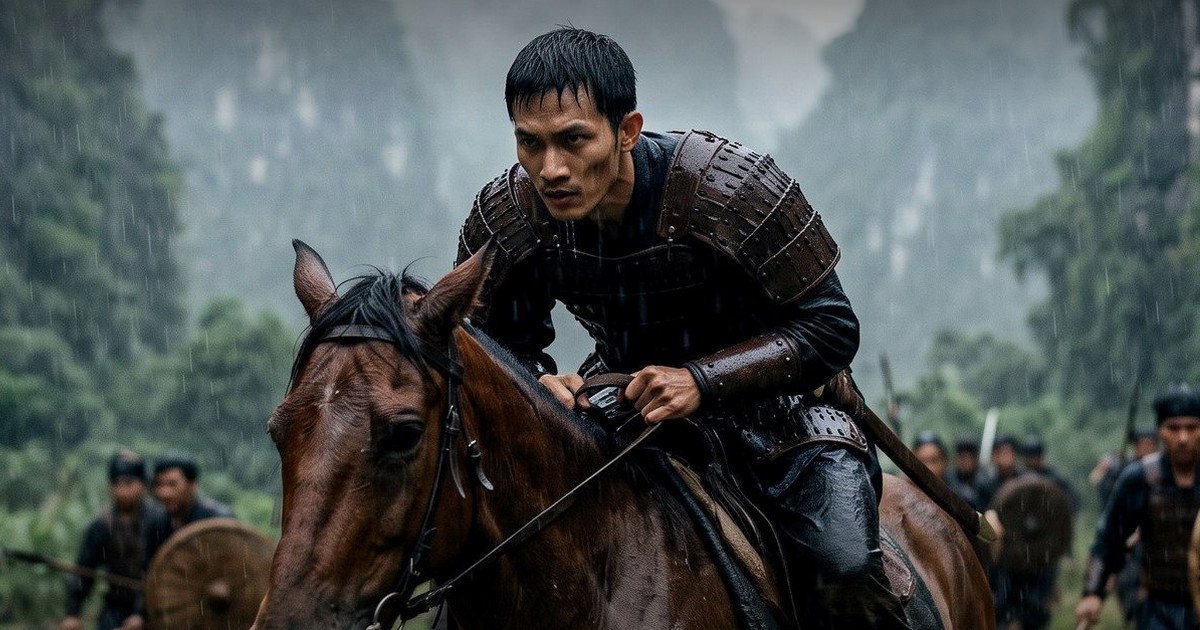
“The king died in his bedchamber”: how to read one line
The chronicle records Lê Long Đĩnh’s death in the bedchamber and explains the Ngọa Triều epithet. Folk history, Ngô Thì Sĩ and the field add readings.
Fiction and assumptions
Đại Cồ Việt invents dialogue, motives, composite characters and whole scenes. What is hư cấu, what is record, and why the line is labelled.
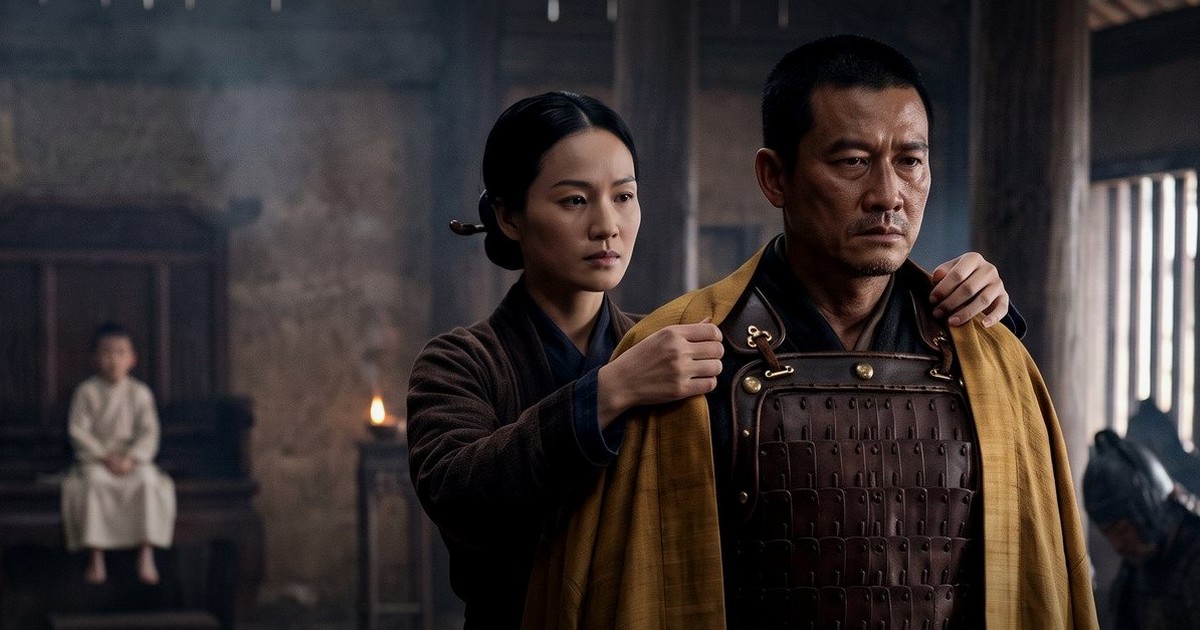
This article separates the chronicle record from the series’ inventions.
Contains spoilers for the series.
This article is about invention, so it should begin by naming its own subject. Đại Cồ Việt is a work of historical fiction: inspired by events of the tenth and eleventh centuries, but not a documentary, a textbook or a scholarly work. Everything in this piece that is marked hư cấu is invented. The distinction is not a formality: it is what makes the drama honest, and the series builds it into its own material.
The chronicle the series follows gives eight dates: 968, when Đinh Bộ Lĩnh crushes the Twelve Warlords, takes the throne and names the realm Đại Cồ Việt; 979, the night of feasting on which Đinh Tiên Hoàng and Đinh Liễn are murdered; 980, the robe laid on Lê Hoàn’s shoulders; 981, Hầu Nhân Bảo falling and the Song army fleeing; 1005, Lê Đại Hành’s death and Lê Long Đĩnh killing his brother after seven or eight months of struggle; 1007, the envoy sent to the Song court for the Buddhist Tripitaka; 1009, Long Đĩnh’s death and Lý Công Uẩn’s accession two days later; 1010, the Edict on the Transfer of the Capital.
That is a spine. It is not a script. The record gives each event a sentence or two, and almost never a face, a motive, or a room. The drama’s work begins where those sentences end.
The studio’s disclaimer lists the categories without hedging: to tell a story it invents and compresses dialogue, private thoughts, relationships, motives, composite or minor characters, places, timelines and the order of events. Where the record is silent it imagines; where the record conflicts, it chooses one reading or shows several.
Four kinds of invention are visible in the site’s own material.
The dates and the events attached to them are not invented, and neither are the disagreements. The main text’s line that Lê Long Đĩnh “died in his bedchamber”, the main text’s explanation of the epithet (the illness and the lying court), the wild-history note that adds wine and women, Ngô Thì Sĩ’s hypothesis in the Tiền biên printed in 1800, and the campaign record for 1005–1009 are positions the site quotes and labels rather than invents. The 1007 request for the Tripitaka and the 1010 edict, including the line about the dragon and the tiger, are rendered by the series but not authored by it.
Nor does the series invent the fact that the record is thin. Its own disclaimer states that the surviving sources are few, were written later, and are often partisan. That is not a dramatic flourish; it is why the four readings exist in the first place.
A drama that fills a silence is not lying. A drama that fills a silence and calls it the record is. The series’ method — set the readings side by side, label each as what it is, show a view without endorsing it — is the non-deceptive version of the same impulse, and the disclaimer completes it: do not rely on this work as a source of historical fact; consult the primary sources and scholarship.
The studio also says how the pictures are made, on every end card and on the site: “The tools render; people decide.” And it invites corrections, promising to fix clear factual errors and to explain deliberate creative choices.
Fiction is not the enemy of history here. Presenting fiction as record is. The series’ emblem is a robe laid on a general’s shoulders in 980: a public act whose reasoning the record never preserved. The drama fills that reasoning in, then says that it did. Season III asks of Long Đĩnh, “A tyrant — or a victim of the victor’s pen?” The question is invented in its staging and entirely real in its content: someone wrote the record, and someone decides what a death means. That sentence, at least, is not fiction.
The chronicle records Lê Long Đĩnh’s death in the bedchamber and explains the Ngọa Triều epithet. Folk history, Ngô Thì Sĩ and the field add readings.
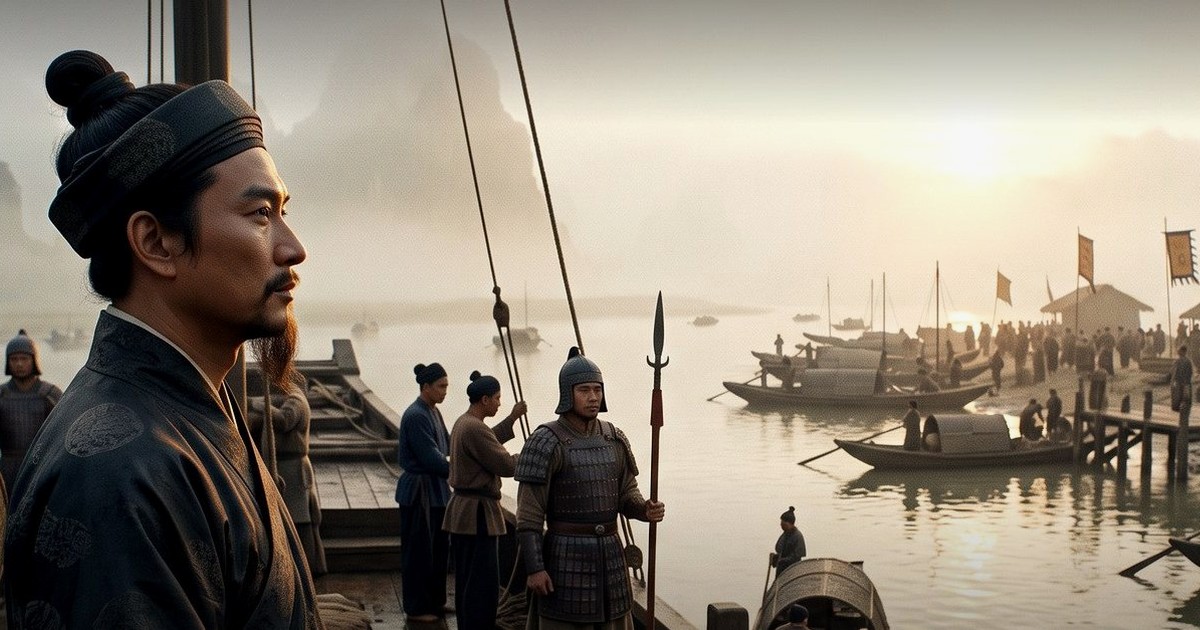
A monk taught Lý Công Uẩn and interpreted an omen the series withholds: where the record stops, and what later readers added.
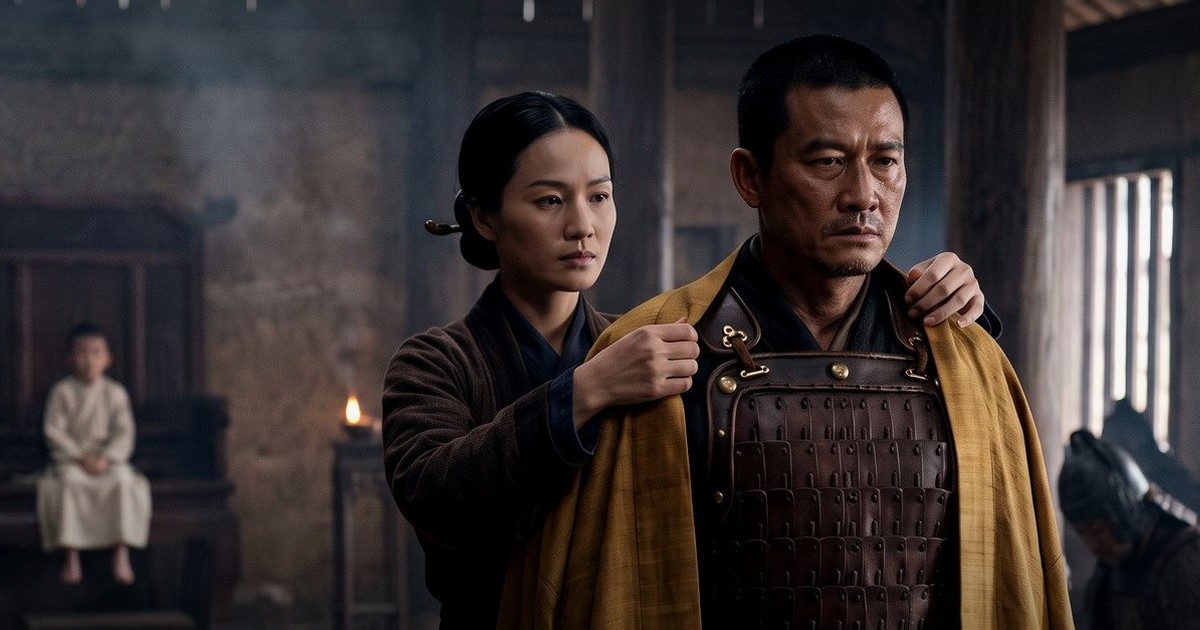
The chronicle records an eight-line omen verse that Vạn Hạnh read as the Lý rise. The series never prints it — and the line not to cross is inventing one.